
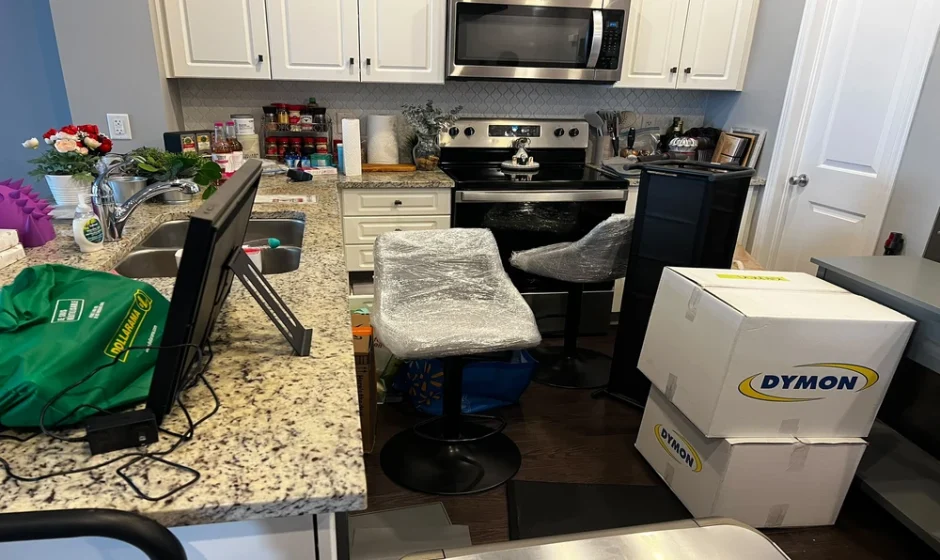

Accepting a job in another city can open the door to new career opportunities, financial growth, and a different lifestyle. However, relocating for employment involves more than finding a new home and packing household belongings.
Between starting a new position, arranging transportation, reviewing housing options, and organizing personal responsibilities, moving for work can quickly become overwhelming.
Whether you are relocating from Toronto to Ottawa, moving between provinces, or accepting a position in another Canadian community, early preparation can help you manage the transition.
The following ten tips will help you plan a work-related relocation while keeping your professional and personal responsibilities organized.
1. Confirm Your Employment Details Before Planning the Move
Before making relocation arrangements, review the details of your new employment agreement.
Confirm your official start date, expected work location, schedule, and any requirements for attending the workplace in person.
If your employer offers flexible or remote working arrangements, determine whether you need to live within a specific commuting distance.
Ask whether relocation assistance is available. Some employers may contribute toward moving expenses, temporary accommodation, or transportation costs.
Make sure any relocation benefits are documented clearly.
Understanding your employment requirements will help you establish a realistic moving timeline and budget.
2. Research Housing Near Your New Workplace
Choosing where to live is one of the most important decisions when relocating for work.
Consider housing affordability, commuting distance, public transportation, parking availability, and access to essential services.
If you are moving to Ottawa, for example, neighbourhoods such as Centretown, Kanata, Barrhaven, Nepean, and Orléans offer different residential environments and commuting options.
A property that appears affordable may become less practical when transportation costs and commuting time are considered.
If possible, visit the city before signing a lease or purchasing a home.
For employees who need to relocate quickly, temporary accommodation may provide additional time to explore neighbourhoods before making a long-term commitment.
3. Create a Relocation Budget That Covers More Than Transportation
Moving for work often involves several expenses beyond the cost of transporting household belongings.
Your budget should account for moving services, packing materials, travel expenses, temporary accommodation, utility setup, and possible storage.
You may also need to consider rental deposits, overlapping housing payments, or costs associated with selling your current property.
When comparing moving providers, request written estimates that clearly explain the services included.
A professional Moving Company may be able to assist with transporting furniture, household belongings, and other approved items between your current home and your destination.
Provide accurate information about your inventory, pickup location, destination, and preferred moving dates.
Ask about possible additional charges, delivery arrangements, and available coverage before confirming your booking.
A realistic budget can help you avoid unexpected financial pressure during your first weeks in a new city.
4. Coordinate Your Move to Ottawa With Your Employment Start Date
If your new job is located in Ottawa, planning your arrival date carefully can make the transition easier.
Ideally, allow enough time between moving day and your first day of work to unpack essential belongings, become familiar with your commute, and address any unexpected issues.
When researching Movers Ottawa, consider your destination property’s access requirements, preferred delivery schedule, and whether you need assistance with packing or furniture moving.
Apartment and condominium buildings may require advance elevator reservations or restrict moving activities to designated hours.
For houses, check driveway access, parking arrangements, and the distance between the moving vehicle and the entrance.
Ottawa’s seasonal weather can also influence moving-day preparations, particularly during winter.
Coordinating these details before your arrival can help you settle into your new home with fewer interruptions to your work schedule.
5. Declutter Before Packing Your Household Belongings
Relocating for work is an opportunity to review what you actually need in your next home.
Begin by sorting through clothing, furniture, kitchen supplies, electronics, and items stored in closets or garages.
Separate belongings into categories such as keep, donate, sell, recycle, and dispose of.
Consider whether large furniture will fit your new property and whether transporting certain items makes financial sense.
For example, moving an inexpensive, oversized desk across several provinces may cost more than replacing it.
Avoid packing documents or equipment belonging to your employer without confirming the appropriate procedures.
Reducing unnecessary belongings can make packing, transportation, and unpacking more manageable.
6. Organize Your Professional Documents and Work Equipment
A work-related relocation often requires additional administrative preparation.
Keep employment contracts, identification, banking information, and other important records easily accessible.
If you are moving between provinces, review the requirements for updating your driver’s licence, vehicle registration, and health coverage.
For regulated professions, determine whether any provincial licensing or registration requirements apply.
If you work remotely or use company equipment, ask your employer how computers, monitors, and other devices should be transported.
Back up important personal data before the move.
Keep essential work equipment with you whenever practical, especially if you need it immediately after arriving.
Being organized can help prevent unnecessary interruptions during your first days in the new position.
7. Plan Your Final Weeks at Your Current Job
If you are leaving an existing position, coordinate your departure professionally.
Confirm your final working day and complete any required notice period.
Arrange the return of company property, including access cards, computers, phones, and other equipment.
Transfer outstanding responsibilities according to your employer’s procedures.
Avoid scheduling major packing activities during your final workdays if you can reasonably prevent it.
You may need time for meetings, administrative tasks, and personal commitments before leaving.
Creating a clear schedule for your final weeks can help you complete your responsibilities without unnecessary pressure.
8. Prepare Your Family for the Relocation
Moving for employment can affect everyone in your household.
If you are relocating with a partner or children, discuss the move early and involve them in appropriate planning decisions.
Research schools, childcare arrangements, recreational activities, and community services in your destination city.
If your partner will also be seeking employment, consider the local job market and potential commuting requirements.
For families with pets, prepare suitable transportation arrangements and identify veterinary services near the new home.
Allow time for everyone to adjust to the changes.
A successful relocation involves more than completing the physical move. It also means helping household members become comfortable in their new environment.
9. Arrange Utilities, Internet, and Address Changes
Before arriving at your new property, identify which services need to be activated.
Depending on your housing arrangements, these may include electricity, natural gas, internet, and other utilities.
Contact service providers early to confirm installation dates and account requirements.
Reliable internet access may be particularly important if your new role includes remote or hybrid work.
Update your address with financial institutions, insurance providers, relevant government agencies, and subscription services.
Arrange mail forwarding if needed.
Keep confirmation numbers and account information accessible during the move.
Completing these tasks in advance can help make your new home functional from the beginning.
10. Give Yourself Time to Adjust to Your New City
Starting a new job and moving to an unfamiliar city at the same time can be demanding.
During your first week, focus on unpacking essential belongings, establishing a routine, and learning your route to work.
Explore nearby grocery stores, pharmacies, parks, and other services.
If you are moving to Ottawa, consider visiting local museums, recreational facilities, and community spaces to become familiar with the city.
Look for opportunities to connect with coworkers, neighbours, and local organizations.
Try to avoid scheduling too many additional commitments immediately after your relocation.
Allowing yourself time to settle in can make the transition more comfortable and help you focus on your new professional responsibilities.
Final Thoughts
Moving to a new city for work in Canada is a major life decision that requires careful coordination.
Confirming employment details, researching housing, budgeting for relocation expenses, and arranging moving services can help make the process more manageable.
Whether you are accepting a position in Ottawa or relocating elsewhere in Canada, planning ahead can reduce avoidable delays and unnecessary stress.
With an organized moving schedule and realistic expectations, you can begin your next career opportunity with greater confidence and focus on building a comfortable life in your new community.