
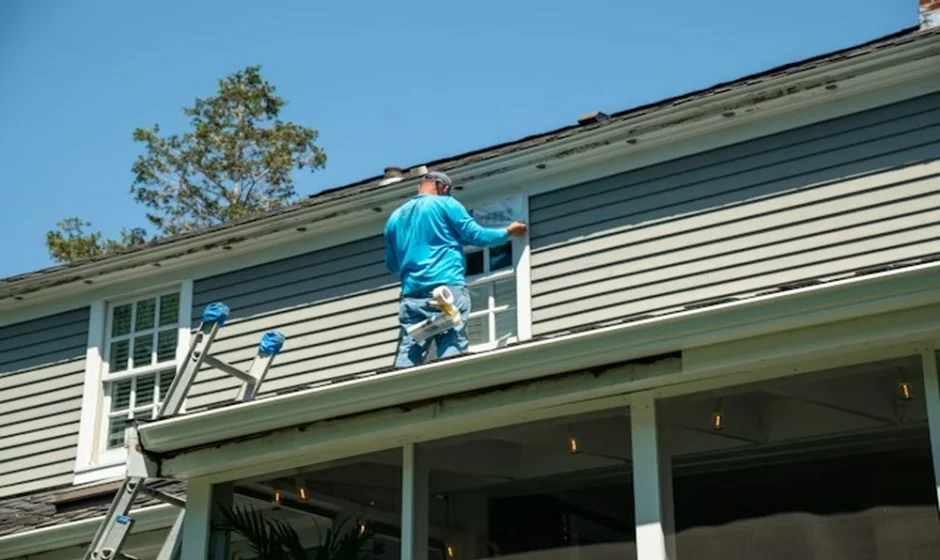

Most exterior problems do not arrive suddenly. A crack in the caulk, a clogged gutter, a loose shingle, or a patch of peeling paint starts small and stays small for a while. Then one season of heavy rain, hard freezes, or strong wind turns it into rotted trim, a leaking roof edge, or water inside a wall. The difference between a minor fix and a major repair is usually timing. A steady maintenance routine catches problems while they are still inexpensive, and it keeps the roof, siding, windows, and gutters working together as they were designed to. When a job is bigger than a weekend task, an experienced exterior team like Weather Masters Inc can assess what needs attention and what can wait.
This guide lays out a practical maintenance schedule, organized by season, along with the reasoning behind each task.
Why Small Problems Grow So Quickly
Water is the main driver of exterior damage, and it works through repetition. Moisture gets into a gap, freezes and expands, then thaws and leaves a slightly larger gap behind. Sun dries out sealants and finishes, wind-driven rain pushes into weak spots, and debris holds moisture against surfaces. Each cycle is minor, but the effect compounds. Wood that stays damp begins to rot, insulation that gets wet loses its value, and fasteners corrode. By the time a stain shows up on an interior ceiling or wall, the damage behind it has often been building for a long time.
Early Spring: Assess the Winter Damage
Once the thaw is complete, walk the property and look for what the cold season left behind.
- Inspect the roof from the ground with binoculars for missing, lifted, or cracked shingles
- Check flashing around chimneys, vents, and skylights for gaps or lifting
- Look at gutters for sagging, separated seams, or ice damage
- Examine siding for cracks, warping, or loose panels
- Check the foundation line for new cracks, pooling water, or soil erosion
- Look in the attic for damp insulation, stains on the underside of the roof deck, or daylight coming through
Take dated photos of anything suspicious. Comparing images over the years makes slow changes easier to catch.
Late Spring: Repair and Refresh
Mild, dry weather is ideal for repairs because sealants and paint cure properly.
- Replace cracked or missing caulk around windows, doors, and trim
- Repair or replace damaged siding sections
- Touch up peeling paint after scraping and priming bare wood
- Replace rotted trim boards rather than painting over them
- Clean and rehang loose gutters, and reseal leaking joints
- Clear vegetation that has grown against the walls or roof edge
Early spring and late spring work together here. Assessment shows what is wrong, and the warmer weeks give you the right conditions to fix it.
Summer: Look for Heat and Moisture Problems
Summer is the season for cleaning and for checking how the home handles heat.
- Wash siding gently with a soft brush and mild cleaner to remove dirt, algae, and mildew
- Avoid high-pressure washing on shingles and some siding types, since it can force water behind panels and strip protective layers
- Trim tree branches that touch the roof or hang over it
- Check attic ventilation, since a hot, stagnant attic ages roofing from below
- Inspect window and door seals for drafts or fogging between panes
- Test outdoor faucets and irrigation for leaks that soak the foundation
Summer storms are also a useful test. Watch where water goes during a heavy rain, and note any spots where it overflows or pools against the house.
Fall: Prepare for Cold and Wet Weather
Fall maintenance protects the home before freezing temperatures arrive.
- Clean gutters and downspouts after most leaves have dropped
- Confirm that downspouts discharge well away from the foundation
- Inspect the roof again for loose shingles and failing flashing
- Seal gaps where pipes, wires, and vents enter the house
- Check weatherstripping on doors and windows
- Disconnect and drain outdoor hoses, and shut off exterior water lines where appropriate
- Reseal or repaint any exposed wood before wet weather settles in
Whatever is clogged or loose in the fall is likely to cause trouble in winter, when ice adds weight and blocks drainage.
Winter: Watch and Protect
Winter is mostly about observation and avoiding damage.
- Look for ice dams forming along the eaves, which often point to heat loss through the attic
- Watch for thick icicles, water stains on ceilings, or ice around downspout outlets
- Keep snow from piling against siding, vents, and foundation walls
- Clear vent terminations on high-efficiency heating equipment after storms
- Avoid chipping ice off the roof or gutters, which can damage materials and cause falls
Do not climb onto an icy roof or ladder. If something looks wrong, document it and have it evaluated when conditions are safe.
The Parts of Your Exterior That Depend on Each Other
Maintenance works best when you treat the exterior as one connected system rather than a collection of separate parts.
- Gutters protect siding, trim, and the foundation by carrying water away
- Flashing keeps water out of roof and wall transitions
- Siding and the barrier behind it shed water and allow walls to dry
- Attic insulation and ventilation control the heat and moisture that stress the roof
- Grading and landscaping determine whether water drains away or toward the house
When one piece fails, the others take on extra stress. A clogged gutter, for example, can soak the siding, rot the fascia, and send water against the foundation all at once.
Planning for Major Replacements
Even with good care, materials reach the end of their lives. Roofing, siding, windows, and gutters each have an expected service period that varies with material, climate, and installation quality. Keep a simple record of when each component was installed or last replaced, along with warranty paperwork and any repair history. That record helps you plan and budget for replacement before an emergency forces the decision. The U.S. Department of Energy offers practical guidance on how exterior improvements affect comfort and energy use in its guide to your home’s envelope and insulation, which is useful when deciding what to upgrade as parts wear out.
Tasks Homeowners Can Handle and Tasks to Leave to Professionals
Most people can safely manage:
- Cleaning gutters from a stable ladder or with extension tools
- Replacing caulk and weatherstripping
- Touching up paint and replacing small trim sections
- Trimming low branches and clearing debris
- Visual inspections from the ground
Bring in a professional for:
- Any work on steep or high roofs
- Repairs to flashing, valleys, or chimneys
- Suspected rot in structural framing or sheathing
- Widespread siding damage or moisture inside walls
- Ice dam problems that keep returning
- Replacement of roofing, siding, windows, or gutters
Roof and ladder falls are among the most common causes of serious home maintenance injuries, so safety should outweigh any savings from doing it yourself.
Signs That Maintenance Is No Longer Enough
Repairs make sense for isolated damage, but some signs point to a larger issue:
- Leaks that return after repairs
- Shingles that are curling or shedding granules across large areas
- Siding that is warped, soft, or repeatedly needs repainting
- Windows that fog, stick, or leak in multiple places
- Gutters that sag or separate again and again
- Rising energy bills with no other explanation
At that point, a full evaluation will usually be more economical than continued patching.
Questions to Ask Before Hiring an Exterior Contractor
- What did you find, and can you show me evidence of the problem?
- Which items are urgent, and which can be scheduled later?
- How will hidden damage be handled if it is discovered during the work?
- What products and materials do you recommend, and why?
- What warranties cover the materials and the workmanship?
- Who handles permits, inspections, and cleanup?
- Are your licensing and insurance documents available?
Final Thoughts
Exterior maintenance is not glamorous, but it is among the most effective ways to protect a home and its value. A few hours each season, spent looking, cleaning, and sealing, keeps small defects from turning into expensive repairs. Build a simple routine, keep records, respect the limits of safe do-it-yourself work, and bring in professionals when the job calls for it. The result is a home that stays dry, efficient, and in good condition year after year.