
During downpours, even minor dips in Parkland parks and other green spaces may collect water. Soon mulch is floating in the middle of walkways, and puddles are ringing picnic tables and stretching halfway across parking bays.
After major rainstorms, stroll green spaces you oversee to spot problem areas. Puddles outline dips in lawns, bare dirt exposes desire paths, and soggy soil outlines trenches or washouts. Circle trouble spots on a site plan to remedy during remodel projects.
When the Entrance Becomes a Shallow Pond
Puddling that extends half-way into parking bays can extend to the end of parking spaces. At this point, people backing out of spaces might drive through a few inches of puddle water, spraying mud onto other parked cars.
Similarly, runoff draining from parking areas can stretch puddles halfway across walking paths. People with strollers, purses, shopping bags, and so on won’t want to trek through ankle-deep puddles. They’ll try to tiptoe across narrow parking space curbing to make it to dry footing.
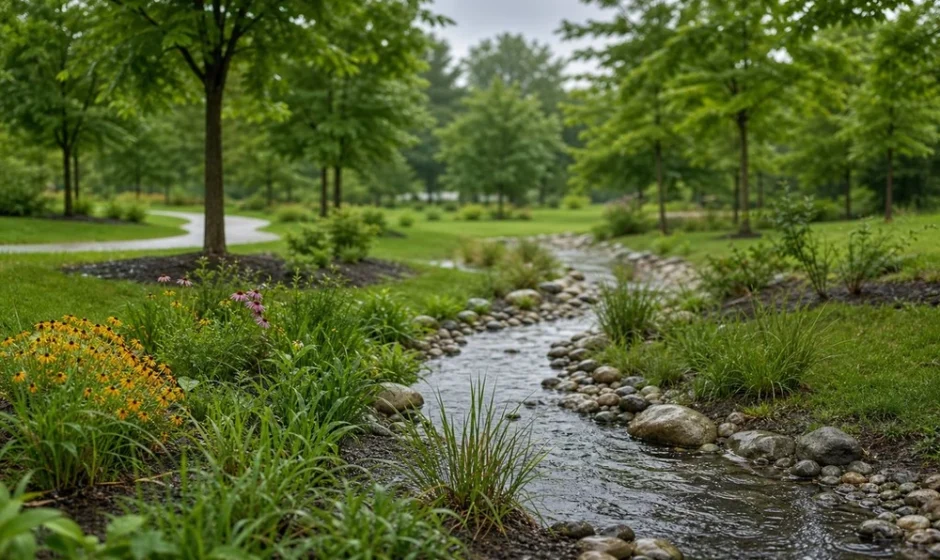
If a remodel project will take on an entrance area, consider a rain garden in this area. A rain garden is a planted area (Britannica spells this out at britannica.com/technology/rain-garden) that is slightly lower than adjacent hardscape. Layers of gravel and soil within the rain garden soak up runoff to prevent puddling. Native grasses, rushes, and other appropriate plants give the rain-garden some definition. Rain gardens are practical alternatives to decorative container plants that must be watered, replaced, and so on.
When installing a rain garden adjacent to paved parking, be sure to create a solid, concrete opening in the curbing where the parking runoff would drain into the rain garden. Openings edged with pea gravel or mulch could quickly plug up, preventing runoff from entering the rain garden and directing it across the parking lot instead.
Play-Area Edges That Wash Away
Older play areas are unlikely to have problems with the integrity of swings, climbing structures, etc. after heavy rain. But you might discover that the soil bordering a play area has eroded after heavy rain, revealing landscape fabric, trenches carved out below the landscape timbers edging play area equipment, and so on. Runoff sheeting off asphalt, rubber, and other play area surfacing materials could create eroded, muddy trenches at the point where hardscape surfaces meet lawn.
Remodeling projects that include play areas can help address erosion by creating a broad, shallow swale (depression) to collect runoff from the play surface. For property owners considering remodeling Parkland, Gaven Constructions emphasizes practical solutions that improve drainage while keeping outdoor spaces safe for children. Slopes leading into swales should be broad and gentle to reduce the risk of trips and falls. Larger rocks placed where water enters the swale can help prevent soil erosion while making cleanup easier when leaves, tennis balls, granola bar wrappers, and other debris accumulate.Rethinking Routes and Gathering Places
Desire paths can carve out dips during downpours. Rain falling onto compacted soil washes away creating a dip that funnels even more water during future rainstorms. Desire paths are created because people like to cut corners and stroll casually (rather than march on sidewalks). During rainy weather, grass growing along desire paths is matted down revealing slippery, damp soil.
Short boardwalks could span soggy trouble spots along popular shortcuts through lawns. A boardwalk doesn’t need to cover an entire shortcut, just the low spot(s) that tend to stay soggy after heavy rain. If dips along desire paths drain within a couple of hours of rainfall ending and other sidewalks in the area are passable, more minor adjustments, such as subtly altering grades or slightly lengthening a sidewalk could alleviate puddling along popular shortcuts.
Gathering Areas Should Stay Dry Longer
Areas within green spaces where people linger to enjoy nature may include paved or concrete areas with picnic tables and benches. After major rainstorms, you might find that ants are scurrying along damp, porous concrete edges, picnic tables and benches sink into muddy soil with each step, and so on. It’s discouraging for an older Parkland resident lugging a folding chair to a birding spot to find a puddle ringing benches, long after sidewalks have dried.
During a remodel, consider shifting gathering areas slightly uphill, onto pads of concrete or other hardscaping materials. Not only will these minor adjustments create somewhere dry to enjoy nature during rainy weather, the former gathering area, could be converted to a rain garden or swale that captures and absorbs rainwater runoff from nearby parking areas, buildings, etc.
Downspouts draining rainwater from even small picnic pavilions (big enough to fit just two picnic tables and a waste bin) may carve dips into surrounding lawns, creating muddy donut-holes ringed with windblown trash that collects during storms. Swales or rock-lined streams leading rainwater away from gathering area lawns will prevent erosion.
Planting for the Wet-Dry Cycle
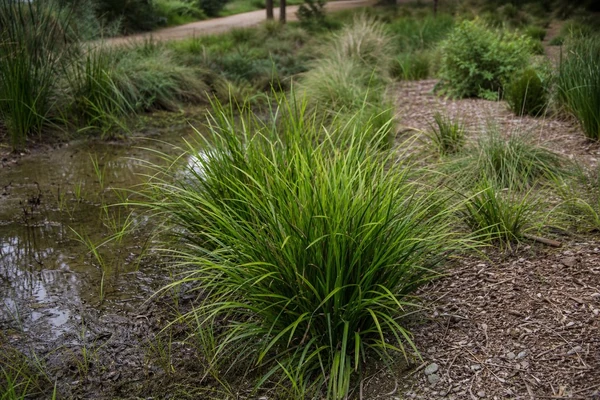
Well-designed green spaces within Parkland feature planting that thrive after absorbing extra water during downpours, enduring spells of dry weather, and so on. Plants must also withstand errant Frisbees, dog messes, windblown junk mail and cigarette butts, and so on.
During remodel projects, plant swales, rain gardens, and so on with a wide range of rain garden-appropriate native plants to weave soil together with a web of root systems. Choose taller plants, such as grasses to plant closer to fences and shorter plants closer to walkways to maintain sight lines. Apply a thick layer of chunkier (rather than finer) mulch that won’t easily blow or wash away during inclement weather.
Well-planted swales will quickly dry-out after major storms to create an aesthetically-pleasing addition to Parkland parks, community gardens, and other green spaces. In addition to efficiently draining stormwater, swales create habitat, which is a place for insects, small birds, and so on to find food and build nests.
Before the Next Storm Arrives
During remodel projects, correct problem areas revealed after major storms, before sunny weather masks trouble spots. Remodel projects don’t need to be earth-shatteringly large and expensive. Minor alterations to grades, thoughtfully-placed boardwalks, rain gardens, and so on go a long way towards making green spaces more accessible during damp, muddy weather.