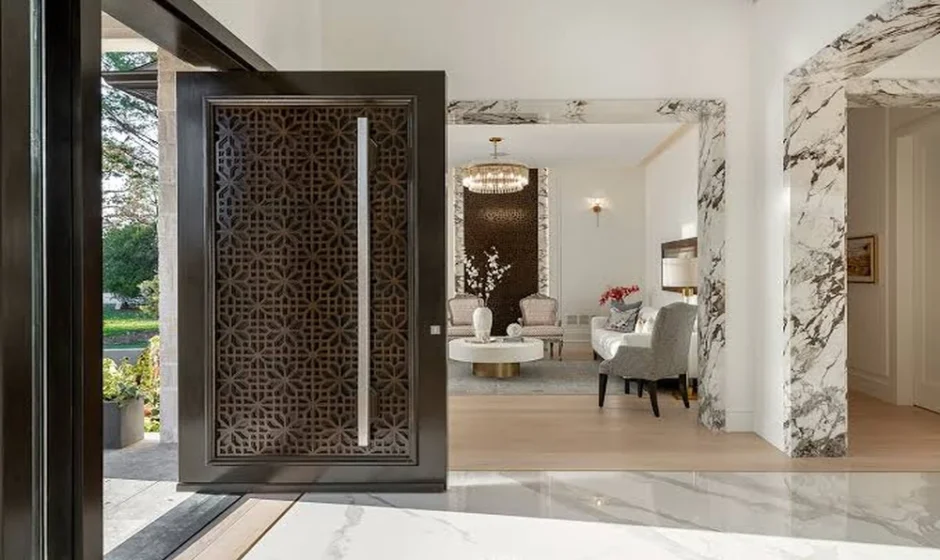

A welcoming entrance can connect heritage styling with present household needs. The luxury custom doors by clark hall bring tailored character to residential entrances. Careful proportions help older design influences suit newer home arrangements. Metal framing can create structure without making an entrance feel heavy. Glass panels may add daylight while preserving a defined exterior appearance. Good planning keeps appearance, operation, privacy, and upkeep working together.
Heritage Styling Meets Current Needs
Older design influences can remain relevant within recently planned homes. Ornamental lines can frame entrances without dominating surrounding architectural features.
Balanced proportions help decorative work suit cleaner exterior arrangements. Muted finishes can also support a restrained residential appearance.
Materials Shape Interior Connections
Iron provides a strong foundation for carefully formed entrance structures. Glass can create a softer transition between exterior and interior areas.
Surface finishes help connect doorway tones with nearby architectural materials. Hardware selections can support daily operation while matching the overall design.
Features That Support Daily Use
Entrance planning should address appearance alongside regular household movement. Several details influence function, maintenance, privacy, and long-term reliability.
- Measured openings help doors fit existing architectural spaces with greater accuracy.
- Glass positioning controls daylight while supporting suitable privacy levels indoors.
- Strong hinges assist smooth movement during repeated everyday household use.
- Suitable handles provide practical control without distracting from surrounding decoration.
- Protective finishes help surfaces remain consistent through regular household conditions.
- Frame proportions can support balanced relationships between walls and entryways.
- Door swing planning prevents interference with nearby fixtures or furnishings.
- Threshold design can support safer movement across the entrance area.
Decorative Choices Build Visual Continuity
A doorway should relate closely to nearby walls and openings. Repeated shapes can connect exterior decoration with interior architectural elements. Curved motifs may suit homes featuring softer structural lines. Straight patterns can work effectively within cleaner architectural arrangements.
Glass framing also influences how separate spaces appear connected. Hardware finishes should coordinate with other visible metal components nearby.
Common Questions About Custom Door Planning
Entrance planning often raises practical questions before measurements or material choices begin. Clear answers can make early decisions more straightforward for homeowners.
- What measurements matter most? Opening height, width, frame depth, clearance, and swing direction matter greatly.
- Which glass option suits privacy needs? Textured or controlled glass can limit direct visibility indoors.
- Can ornate patterns suit simpler homes? Yes, restrained motifs can complement cleaner architectural surroundings effectively.
- Does hardware affect everyday operation? Suitable hardware supports controlled movement during frequent household use.
- Are custom sizes available for unusual openings? Tailored sizing can accommodate architectural openings requiring specific dimensions.
- How should finishes coordinate with interiors? Select surface tones that relate closely to nearby visible materials.
Thoughtful Planning Keeps Designs Balanced
A successful entrance starts with the surrounding architecture rather than decoration alone. Measurements should guide proportions before patterns or finishes receive attention.
- Daily movement also deserves consideration during every design decision.
- Clearances should remain suitable for household routines and nearby furnishings.
- Maintenance needs should influence material and surface selections from the outset.
- Good planning reduces unnecessary changes during later installation stages.
It also helps every visible component serve a clear purpose.
A Refined Link Between Old and New
Older visual cues can remain useful within updated residential arrangements. Modern requirements can guide sizing, glass selection, movement, and maintenance.
The strongest results come from measured choices rather than excessive decoration. Consistent planning allows each element to support the complete entrance design.