

Warm wood accents, exposed ceiling beams, and bespoke timber cabinetry continue to dominate contemporary residential design. Homeowners looking to add character to modern homes often turn to timber for its visual warmth and timeless appeal. However, creating a sleek, architectural look with wood requires more than just choosing the right species and finish. The longevity and safety of any interior timber project depend heavily on hidden structural choices and mechanical joinery.
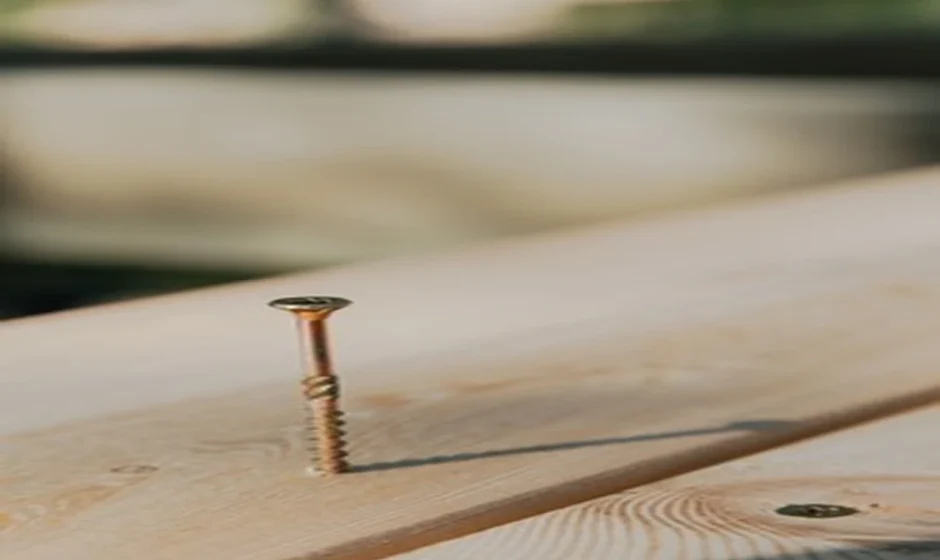
When planning a custom feature wall or built-in furniture, wood movement must be factored into the design from day one. Natural timber expands and contracts in response to seasonal humidity shifts, meaning rigid glue lines alone rarely hold up over time. Using specialized wood screws engineered with coarse threads and self-countersinking heads allows craftspeople to secure heavy timber frames without splitting the stock or leaving unsightly surface damage. Utilizing hardware from specialized suppliers like Star Fasteners Plus ensures that large-scale interior installations maintain their structural alignment even as the wood settles. Paying attention to these foundational elements early in the design phase prevents squeaks, sag, and loose joints years down the line.
| Feature | Primary Benefit |
|---|---|
| Coarse Threading | Prevents material stripping |
| Self-Countersinking | Delivers flush surface finish |
| Torx / Star Drive | Minimizes cam-out torque |
| Corrosion Coating | Resists wood tannin decay |
Balancing Aesthetics and Structural Integrity
Modern minimalism demands clean lines and unblemished surfaces, which creates a unique challenge for builders. Exposed fasteners can clash with streamlined aesthetics, while entirely concealed joinery requires precise engineering.
Achieving a flawless finish involves matching the joining technique to the specific application:
- Pocket Hole Joinery: Ideal for cabinet face frames and interior trim work where fast, hidden connections are needed.
- Face Fastening with Plugged Heads: Best suited for heavy timber mantle loads; fasteners are driven below the surface and capped with matching wooden plugs.
- Floating Timber Supports: Used for cantilevered shelves and floating vanities to keep mounting hardware entirely out of sight.
Selecting the right driving style also makes a substantial difference during installation. Star Fasteners Plus star-drive timber fasteners reduce cam-out, allowing installers to set fasteners flush without slipping and damaging pre-finished surfaces.
Managing Moisture and Thermal Expansion
Indoor climate control keeps living spaces comfortable, but it creates microclimates that affect timber stability. Heating systems dry out air in winter, while summer humidity causes wood fibers to swell.
Understanding timber properties is essential for long-term project success:
Acclimatization
Raw lumber needs time to adjust to a room’s ambient relative humidity before installation. Skipping this step leads to warping, panel bow, and joint separation after the installation is complete.
Grain Orientation
Quarter-sawn boards shift less across their width compared to plain-sawn boards. Matching grain orientation across large panels helps maintain flat surfaces over time.
For practical advice on selecting appropriate hardware and matching thread profiles to wood density, home renovators often turn to This Old House’s Fastener Selection Guide.
Elevating Craftsmanship in Modern Spaces
Integrating natural timber elements into modern interiors creates spaces that feel both elevated and grounded. By focusing on appropriate joining techniques, moisture management, and reliable hardware, custom timber projects retain their beauty and structural integrity for generations to come.