
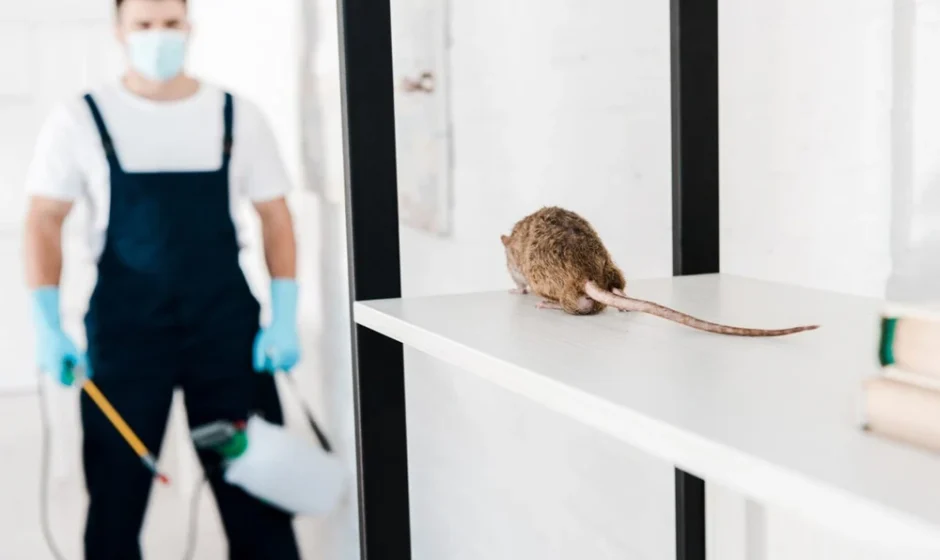

A Winter Garden homeowner calls after dealing with a week of scratching in the attic. A technician clears the nest, sets traps for whatever’s left, and the noise stops. By the time fall comes around, the scratching is back in the same corner. That cycle is common enough that rodent removal and prevention works best as an ongoing approach rather than a visit. Removing the rats solves the immediate problem, but it does not address the openings or conditions that allowed them to get inside.
Why Removing the Nest Is Only the First Step
Rat reproduction is one reason a removal visit may not keep activity from returning. Any survivors can continue the cycle, and new litters can appear within the same season. A female Norway rat can breed at around three months old and go back into heat a day or two after giving birth. It can produce three to six litters a year of six to twelve pups each, with a new litter arriving three weeks after conception. Roof rats, which are commonly found in Central Florida attics, reproduce less frequently and typically have smaller litters of around four to eight pups. Removing the rodents is only part of the solution. A few factors can allow activity to return:
- One surviving female can keep the problem going. If she was already pregnant when the nest was removed, a new litter may arrive within weeks even after the visible activity is gone.
- Pups mature fast. They wean and begin breeding within weeks, so a population that looked small in month one can be raising its own second generation by month three.
- The entry points remain available. Removing the rats inside does not stop others from using the same roofline, gap, or foundation opening later.
What a Prevention-Focused Visit Checks
A prevention visit starts with removal, then focuses on finding the conditions that allowed rodents to get inside.
- Entry points get checked again during follow-ups. Heat, rain, and movement around the home can weaken seals over time, so an opening that was closed during the first visit may need attention later.
- Bait stations show changes over time. Tracking activity across follow-up visits helps identify whether rodent pressure is increasing, staying steady, or fading after treatment.
- Food sources change throughout the year. A citrus tree, fallen fruit, or outdoor pet food may not attract rodents during one season but can become a reliable food source later on.
- Exclusion materials get checked for wear. Hardware cloth, sealant, and other repairs can weaken from Florida heat, rain, and normal movement around the home.
Avata’s Premium Rodent Protection Program follows this approach by combining the initial removal with scheduled follow-ups. Those visits help identify remaining activity or new entry issues before they develop into another infestation.
Signs the Prevention Plan Is Working
The results become clearer through follow-up visits and seasonal changes. One quiet month is not enough. The goal is to see rodent activity remain low through changing seasons.
- Bait station activity decreases during follow-up visits. This shows that rodent pressure is dropping rather than returning after treatment.
- Sealed openings remain free of fresh gnaw marks. This suggests exclusion repairs are continuing to block rodent access after treatment.
- Late-summer rodent pressure stays lower as entry points remain sealed. With fewer ways inside, seasonal movement does not turn into an indoor infestation.
Removing a nest addresses the activity happening at that moment, but it does not remove the conditions that allowed rodents to get inside. By the time scratching returns, rodents may have already regained a foothold. Regular prevention keeps small signs from turning into another full infestation.