
A well-maintained garage door is essential for safety, smooth operation, and longevity. Regular lubrication and proper care prevent wear and tear, reduce noise, and keep the door functioning efficiently. Understanding which components require attention and how to maintain them ensures that your garage door remains reliable year-round.
Why Lubrication Matters?
Garage doors consist of moving parts under significant tension, including rollers, hinges, springs, and tracks. Without proper lubrication, friction increases, causing wear, noisy operation, and potential breakdowns. Lubrication reduces stress on components, allowing the door to move smoothly and safely while extending its lifespan.
Key Components to Lubricate
- Rollers – Both metal and nylon rollers should be lubricated to reduce friction with the tracks. Avoid over-lubricating, as excess oil can attract dust and debris.
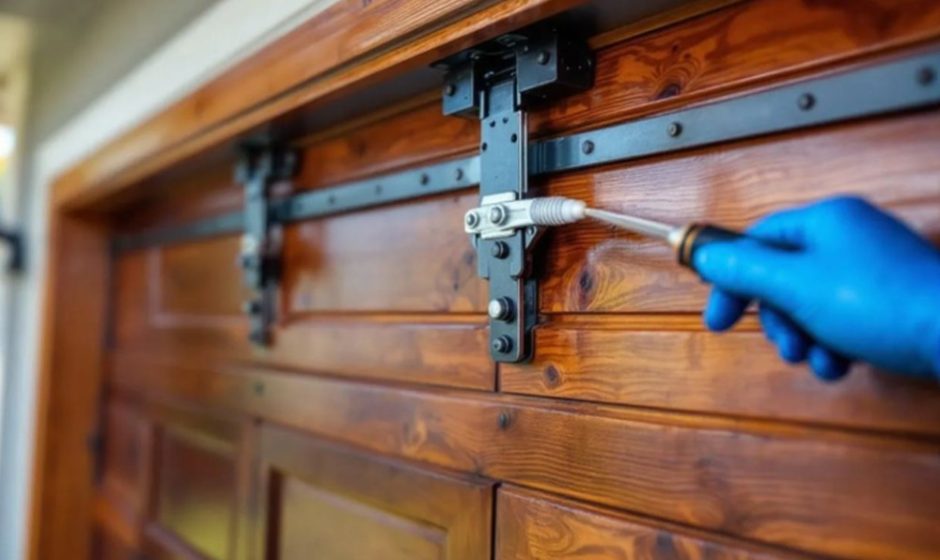
- Hinges – Lubricating hinges ensures smooth folding and unfolding of the door panels. This prevents squeaking and reduces stress on the door structure.
- Springs – Torsion and extension springs benefit from a light coat of lubricant to prevent rust and maintain flexibility under tension.
- Tracks and Bearings – Tracks themselves typically do not require lubrication, but bearings and contact points along the tracks should be lubricated to facilitate smooth roller movement.
- Locks and Latches – Moving parts in locks and latches should also be lubricated to prevent sticking and ensure reliable operation.
How to Lubricate Properly?
- Use a silicone-based or lithium grease lubricant, as oil-based products can attract dirt.
- Apply lubricant sparingly to moving parts; too much can create a sticky buildup.
- Operate the garage door manually a few times after lubrication to distribute it evenly.
- Avoid spraying lubricant directly on the door panels or tracks, as this may cause slipping hazards.
Regular Maintenance Tips
- Inspect rollers, hinges, and springs monthly for wear or damage.
- Tighten loose bolts and fasteners to prevent misalignment.
- Test the door’s balance by disconnecting the opener and moving the door manually; it should stay in place at any point.
- Schedule a professional inspection annually to address components under high tension, such as torsion springs.
Proper lubrication and routine care are essential for maintaining a safe, quiet, and efficient garage door. By following these guidelines, homeowners can prevent costly repairs, reduce noise, and ensure smooth operation for years to come.
This article was written by a professional at 1 Stop Garage Doors. 1 Stop Garage Doors proudly serves homeowners and businesses with top-quality garage door installations and repairs. We install premium doors and openers from trusted brands, ensuring reliability and customer satisfaction. Our expert team provides cost-effective solutions, arriving with fully stocked trucks to handle repairs on the spot, including torsion spring replacements, drum and roller fixes, and general maintenance to keep your garage door functioning smoothly.
The information provided on this website does not, and is not intended to, constitute legal advice; all information, content, and materials available on this site are for general informational purposes only.