
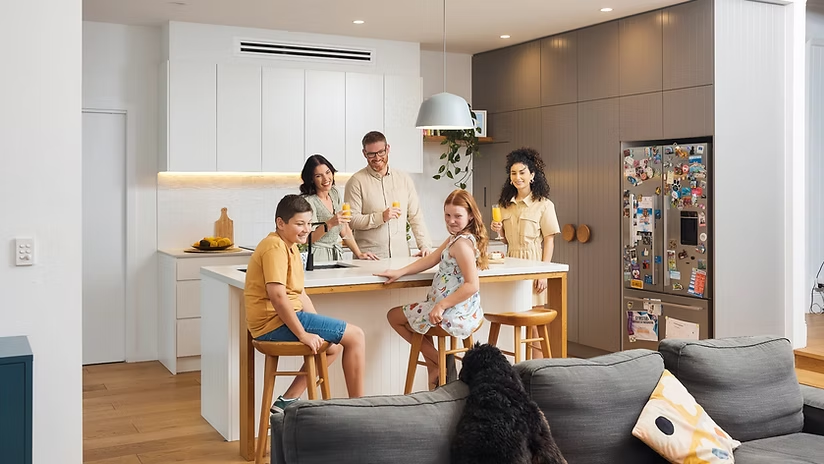

Smart homeowners increasingly look for dependable climate solutions that balance savings, control, and consistent indoor conditions. Modern climate planning now values efficiency and stability over excessive output. Choosing ducted aircon early helps align long-term household needs with responsible energy use while maintaining steady airflow and quiet performance throughout interior spaces.
What defines inverter-driven ducted systems?
Inverter-driven ducted systems rely on adjustable speed control rather than endless cycling. This method allows smooth temperature regulation, reduced power draw, and steady operation. Continuous modulation supports balanced airflow while avoiding frequent starts that often increase electricity usage.
How does energy efficiency improve daily usage?
Energy efficiency improves through intelligent load matching. Systems respond only to actual demand, reducing unnecessary consumption. This results in smoother indoor conditions and lower operational strain, helping households manage ongoing expenses while supporting sustainable power use patterns.
How do ducted layouts support whole-home control?
Ducted layouts enable centralized control across multiple rooms. Airflow travels through concealed pathways, allowing coordinated cooling or heating. This setup simplifies adjustments and avoids reliance on multiple units, supporting a cleaner interior design approach.
What role does smart control play in efficiency?
Smart control features allow precise scheduling and zoning. Users can manage airflow according to occupancy, reducing unnecessary usage. Automated adjustments help maintain ideal indoor levels while preventing waste during inactive periods or overnight operation.
How do modern systems support long-term savings?
Long-term savings emerge through reduced power consumption and lower maintenance needs. Consistent operation limits wear on components. Over time, this stability helps minimize repair costs while supporting dependable performance year after year.
What makes installation planning essential?
Careful installation planning ensures correct airflow balance and system sizing. Proper design avoids energy loss and uneven distribution. Attention during setup supports peak efficiency and prevents operational issues that could reduce performance.
How does airflow design affect performance?
Airflow design influences how effectively conditioned air reaches each space. Balanced pathways prevent pressure buildup and energy waste. Well-planned distribution ensures consistent output while maintaining efficient system operation across interiors.
Why does maintenance impact efficiency levels?
Regular maintenance keeps components clean and responsive. Filters and ducts free from buildup allow smooth airflow. Ongoing care helps preserve efficiency, extend system life, and maintain reliable temperature control without increased energy demand.
How do inverter systems support sustainability goals?
Inverter systems reduce overall energy draw by matching output to demand. Lower consumption supports responsible resource use. This approach aligns modern households with environmentally conscious practices while maintaining dependable indoor regulation.
What should buyers evaluate before selection?
Buyers should evaluate capacity needs, layout compatibility, and control options. Considering long-term usage patterns helps avoid oversizing. Proper assessment supports efficient performance and ensures the system aligns with household expectations.
How can professional guidance improve outcomes?
Professional guidance assists with accurate sizing and airflow planning. Expert input reduces errors during setup. This ensures optimal efficiency, reliable operation, and better long-term performance across all connected interior spaces.
What practical steps support efficient ownership?
Efficient ownership depends on informed habits and system awareness. Small actions help preserve performance and savings over time.
• Schedule periodic inspections to maintain airflow balance and ensure consistent output across all interior spaces.
• Adjust control settings thoughtfully to match occupancy patterns and prevent unnecessary power usage during idle periods.
Making informed climate choices requires balancing efficacy, reliability, and future readiness. Advanced inverter solutions deliver controlled airflow, reduced power demand, and reliable indoor regulation when selected thoughtfully. Evaluating layout needs, usage habits, and professional support creates a clear path toward sustainable living. Consistent care and mindful operation further enhance value over time. For households seeking dependable performance with responsible energy management, investing in quality systems supported by proper planning ensures lasting benefits and dependable indoor balance through ducted aircon.