
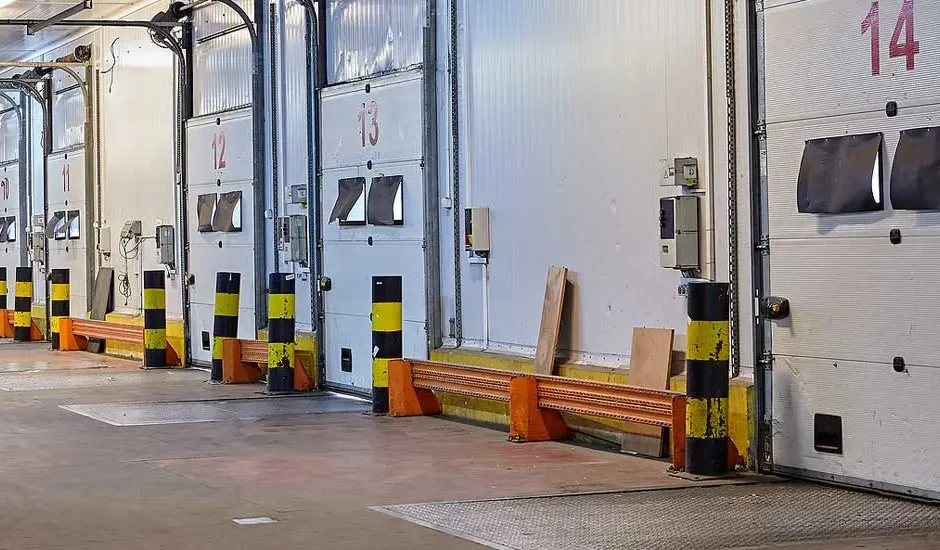

Bitter winds, slick ice, and relentless snow do more than challenge a loading dock team’s patience. They expose cracks in commercial door systems, pushing the limits on what traditional maintenance can manage and forcing building managers to rethink their entire approach before costly breakdowns halt operations.
The Impact of Winter Conditions on Loading Dock Operations
Winter turns loading docks into risk zones. Icy ramps become treacherous, while freezing fog and snow cut visibility and slow the flow of goods. When dock plates freeze shut or doors jam open, shipments back up and teams scramble to keep schedules intact.
Common Winter Hazards Affecting Loading Docks
Loading docks face an onslaught: snow accumulation, black ice, freezing rain puddles, and winds that whip doors off track. Even subtle shifts in moisture and temperature can create hazards invisible until a forklift slips, or a door refuses to budge during peak delivery hours.
How Snow, Ice, and Cold Temperatures Challenge Commercial Doors
Commercial doors are designed to take a beating, but winter tests their limits. Cold metal contracts, seals stiffen, and tracks become breeding grounds for ice buildup. Hydraulic and motor components move sluggishly or seize up altogether. Each element seems to conspire against efficient operations, especially in climates where subzero days are more rule than exception.
Case Studies: Real-World Winter Disruptions in Loading Docks
Consider the distribution center in Montreal where a sudden cold snap froze dock doors overnight, trapping products inside and leaving delivery trucks idling for hours. Or the logistics hub in Toronto where repeated freeze-thaw cycles corroded door rollers until an entire bay went offline for emergency repairs. These disruptions echo a common refrain: winter exposes every weakness in commercial door systems, making proactive attention not optional, but vital.
Mechanical Stress and Wear on Commercial Doors During Winter
Winter’s biggest threat is not just the cold, but the relentless mechanical strain it causes. Doors cycle open and closed hundreds of times per week, each operation grinding metal against metal, rubber against ice, and hinges against grit-laden snow.
Effects of Freezing Temperatures on Door Materials and Components
Steel contracts in subzero temperatures, often leading to warping or misalignment. Rubber gaskets meant to keep out drafts become brittle and break. Even high-grade lubricants thicken, slowing motors and increasing wear. The freeze can turn a well-maintained door into a noisy, jerky liability overnight.
Increased Frequency of Door Malfunctions and Breakdowns
It is no surprise that commercial door repairs spike between December and March. Overworked motors and brittle cables snap more easily, while sensors struggle when covered with frost. Facility managers often find themselves calling for urgent help, and in these months, a reliable resource for réparation de porte sectionnelle Dor Docteur can be invaluable, ensuring downtime is minimized and safety risks are addressed quickly.
The Role of Moisture and Ice in Corrosion and Rust Formation
Winter brings relentless cycles of freezing and thawing, letting moisture creep into crevices and seams. As the ice melts, water seeps deeper into the steel, inviting rust and corrosion that sabotage hinges, rollers, and tracks. Left unchecked, these issues compound, leading to structural weaknesses and ever-larger repair bills.
Winter-Specific Maintenance Strategies for Commercial Doors
Facing these challenges means going beyond basic maintenance.
Pre-Winter Inspection and Preventative Measures
A thorough inspection in late fall can be a facility’s best defense. Technicians check for worn seals, lubricate moving parts with cold-rated products, and tighten hardware before the first snowflake falls. By addressing small issues early, teams can avoid bigger emergencies when winter’s grip tightens.
Effective De-Icing Techniques and Products for Loading Docks
Not all de-icers are created equal. Some can damage metal or rubber, so facility managers seek out products that melt ice without harming door components. Heated mats and safe chemical treatments keep thresholds and tracks clear, helping doors operate smoothly even during blizzards.
Lubrication and Seal Maintenance Under Cold Conditions
Cold weather demands specialized lubricants that resist thickening. Replacing standard oils with silicone- or lithium-based alternatives can keep gears and rollers moving freely. Meanwhile, seals need regular cleaning and conditioning to stay flexible and maintain their insulating properties.
Winter Emergency Repair Protocols to Minimize Downtime
When breakdowns happen, speed matters. Emergency protocols map out quick-response plans: who to call, what parts to stock, and how to secure a loading bay until repair crews arrive. The goal is clear, limit interruptions, maintain safety, and keep goods moving no matter what the weather brings.
Innovations and Trends Reshaping Commercial Door Maintenance
Technology is rewriting the rules on winter maintenance.
Smart Sensors and Automated Monitoring for Winter Conditions
Sensors now monitor door operation and environmental changes in real-time. They detect early signs of freeze-ups, alerting managers before small obstacles become major shutdowns.
Energy-Efficient Door Technologies Designed for Cold Climates
Modern doors use insulated panels and tight-sealing edges, reducing heat loss and lowering energy bills. High-speed motors minimize open times, keeping frigid air out and productivity up.
Predictive Maintenance Tools Leveraging Winter Performance Data
Data-driven maintenance platforms track door usage and performance, pinpointing patterns that predict failures. With actionable insights, teams can schedule repairs at the perfect moment, just before breakdowns strike.
Training and Safety Protocols Tailored for Winter Dock Operations
Winter brings unique safety risks. Regular training on ice management, emergency procedures, and proper use of winter-specific maintenance tools ensures staff remain safe and empowered, even under the harshest conditions.
As winter continues to reshape the landscape of loading dock operations, a proactive approach to commercial door maintenance is not just smart, it is essential. Facility managers who stay ahead of the freeze will keep goods moving, workers safe, and costs under control, season after season.