

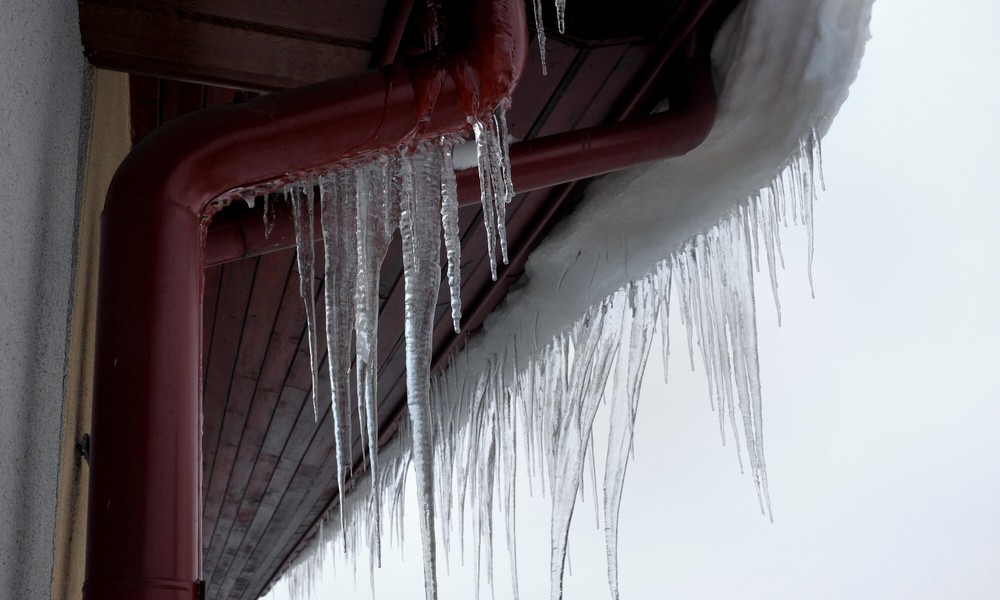
The winter season brings many changes to our homes. Snow covers the shingles in a heavy white blanket. Now you might notice thick ridges of ice forming. These structures are commonly known as ice dams. Some people view them as a natural winter sight. Others see them as a dangerous invasive force. This debate matters for the health of your house. Stratus Roofing understands the complexity of this frozen rooftop struggle. The roof functions like a small and delicate ecosystem. But the ice disrupts the balance of this fragile environment.
The Birth of a Frozen Intruder
Snow melts on the warm parts of the roof. The water flows down to the cold eaves. Then the liquid freezes into a solid barrier. This process creates a massive block of ice. It acts like an invasive species in a forest. The ice crowds out the natural drainage systems. Sometimes the water has nowhere left to go. It sits behind the ridge in a deep pool. The weight creates immense pressure on the shingles. You see the ice growing larger every single day. Stratus Roofing monitors how these formations impact structural integrity.
Disrupting the Shingle Habitat
The roof shingles act as the primary protective skin. They shield the wood from the harsh elements. But ice dams force water under these protective layers. The moisture creates a perfect home for dark mold. This fungus spreads quickly across the damp plywood sheets. It consumes the organic material within the attic space. Now the ecosystem of the roof begins to fail. The shingles lose their grip on the wooden deck. You might notice granules washing away in the melt. The ice physically tears at the edges of the home.
The Hidden Impact on Attic Life
The attic serves as a vital lungs for the house. It needs constant airflow to stay dry and cool. But thick ice blocks the essential soffit vent openings. This lack of air causes heat to build up. The cycle of melting and freezing then accelerates quickly. High humidity levels damage the soft fiberglass insulation rolls. Wet insulation loses the ability to hold the heat. Now the furnace must work much harder every hour. Stratus Roofing helps homeowners understand these hidden thermal connections. The entire system suffers from this one frozen blockage.
Seeking a Professional Solution
Managing this problem requires a very careful and steady hand. You should never chip at the ice with hammers. Sharp tools will easily puncture the soft asphalt surface. The best approach involves gentle heat and expert knowledge. A professional ice dam removal service uses steam to melt the grip. This method preserves the shingles while clearing the path. It restores the natural flow of water to the ground. The ecosystem returns to a state of healthy balance. You avoid the long-term costs of structural rot repairs.