
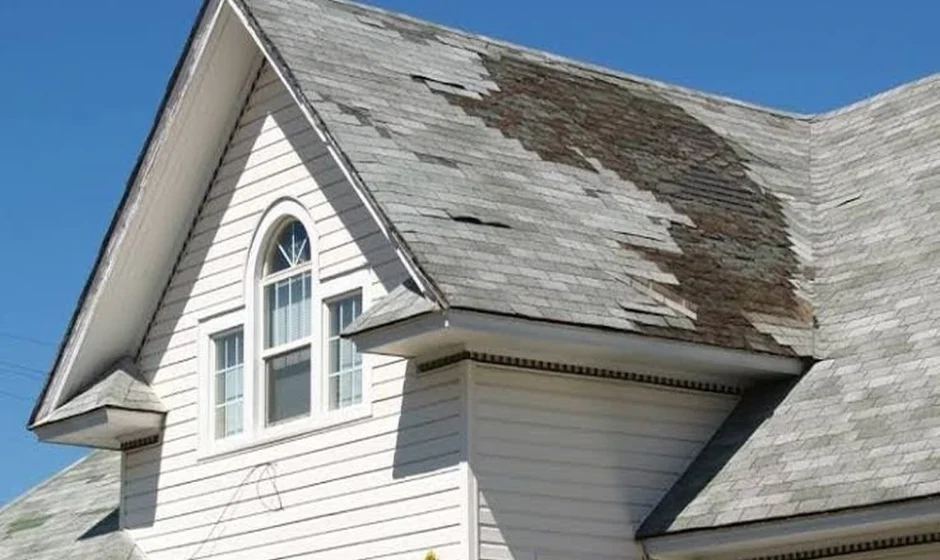

Roof damage in Utah County rarely shows up in the season that caused it. A January ice dam leaves its stain on the ceiling in March. Sun that bakes shingles through July shows up as grit in the gutters by October. A gust from a spring storm can lift a shingle tab that nobody notices until the next snowmelt runs underneath it. Reading a roof here means reading the calendar backward.
That lag is why roof repair in Utah County works best on a seasonal rhythm. The valley floor sits around 4,500 feet, and the state building code lists Provo at 4,541 feet with a ground snow load of 31 pounds per square foot. In a single year, one roof carries heavy snow, sheds a fast spring melt, takes strong sun at elevation, and rides out storm winds. Each season tends to expose a different kind of repair, and most early warnings can be spotted from the driveway with a pair of binoculars.
Of the Utah County repairs services homeowners can call when weather leaves its mark, marvinroofingservices.com is run by owner Spencer, who grew up in south Utah County and has spent more than nine years working on roofs. His crew handles small leaks, missing shingles, and everyday wear across Utah County and the surrounding counties, with repairs built for heat, wind, and heavy snowstorms. When the holidays come around, the same team offers outdoor lighting with installation, maintenance through the season, and takedown, so nobody has to climb a ladder in December. To request a repair visit, describe what you are seeing through the quote form on their website.
The Roof Year at a Glance
| Season | Roof risk | What to check or repair |
|---|---|---|
| Winter (December to February) | Snow load, ice dams at the eaves, ice weight on gutters | Ice ridges along eaves, gutters pulling loose, ceiling stains near outside walls |
| Spring (March to May) | Meltwater leaks, storm front gusts, hail | Missing or creased shingles, bent flashing, granules at downspout outlets, damp attic sheathing |
| Summer (June to August) | UV and heat at elevation, monsoon thunderstorms | Curled or blistered shingles, bare spots, cracked sealant, a very hot attic |
| Fall (September to November) | Wind, clogged gutters, first freezes | Lifted shingles, worn vent boots, gutter flow, repairs finished before snow |
Winter: December Through February
What surfaces: Ice dams are the signature winter repair. Heat escaping into the attic melts snow on the upper roof, the water runs down to the cold overhang, and it refreezes into a ridge. More meltwater pools behind that ridge and works its way under the shingles. Ice and heavy snow also pull on gutters and fascia boards.
From the ground: Watch for thick ice along the eaves and icicles hanging from behind the gutter rather than off its outer lip. Snow that melts in patches over some parts of the roof while staying deep elsewhere points to heat leaking from the house below. Inside, check ceilings and upper wall corners near exterior walls for new stains.
When to call: Call when water is coming in or a gutter is pulling away. FEMA’s snow load safety guidance lists sagging ceilings and severe roof leaks among the signs of an overstressed roof, and it warns that clearing snow completely can damage the roof covering, so a couple of inches should stay in place. Chipping at ice with tools tears shingles, so leave ice removal to a roofer.
Spring: March Through May
What surfaces: The melt finds every weak point winter created. Cracked shingles, popped nails, and gaps at flashing all start leaking now. Many spring leaks appear on sunny days after a storm, while snow is melting, rather than during rain. Passing storm fronts bring gusts that crease shingle tabs, and spring hail can bruise asphalt.
From the ground: Walk the whole perimeter once the snow is gone. Look for shingles out of line, dark patches where granules are missing, bent metal at chimneys and walls, and small piles of granules at downspout outlets. On a sunny afternoon, check the attic for damp sheathing or drips around nails.
When to call: Call for any active leak, several missing shingles, or flashing that has pulled loose. Fixing spring damage early keeps it from turning into rot once summer storms arrive.
Summer: June Through August
What surfaces: Sunlight is stronger at the valley’s elevation than at sea level. Combined with dry air and long days, it dries out asphalt shingles and cracks the sealant around vents and flashing. Shingles start to curl, blister, and shed granules. July and August also bring monsoon thunderstorms with sudden gusts and hail.
From the ground: Look for curled shingle edges, shiny bare patches, and cracked rubber boots around plumbing vents. A pair of binoculars helps with all three. Notice how hot the attic gets, too. Poor ventilation that cooks shingles in July is often the same problem that feeds ice dams in January.
When to call: After a hailstorm, dents in gutters or soft metal vents are a useful clue that shingles took hits too. After a windstorm, shingles in the yard mean a call. Dry summer weather also makes this a practical window for repairs that were postponed in spring.
Fall: September Through November
What surfaces: Fall shows what summer did. Shingles lifted by monsoon gusts, vent boots cracked by sun, and gutters packed with leaves all become winter problems. A clogged gutter holds meltwater at the eave, and that is where ice dams start.
From the ground: Clear the gutters and confirm the downspouts carry water away from the foundation. Check the ridge line and the roof edges for lifted pieces, and trim branches that rub the roof in the wind.
When to call: Finish any repair before the first heavy snow, because work gets harder once the roof is covered. Holiday lights clip onto gutters and shingle edges, so a loose shingle or sagging gutter should be fixed before the lights go up rather than after.
Treat each season’s walk around the house as a check on the season before it. A roof that gets that attention four times a year rarely surprises anyone with a stain in March.