
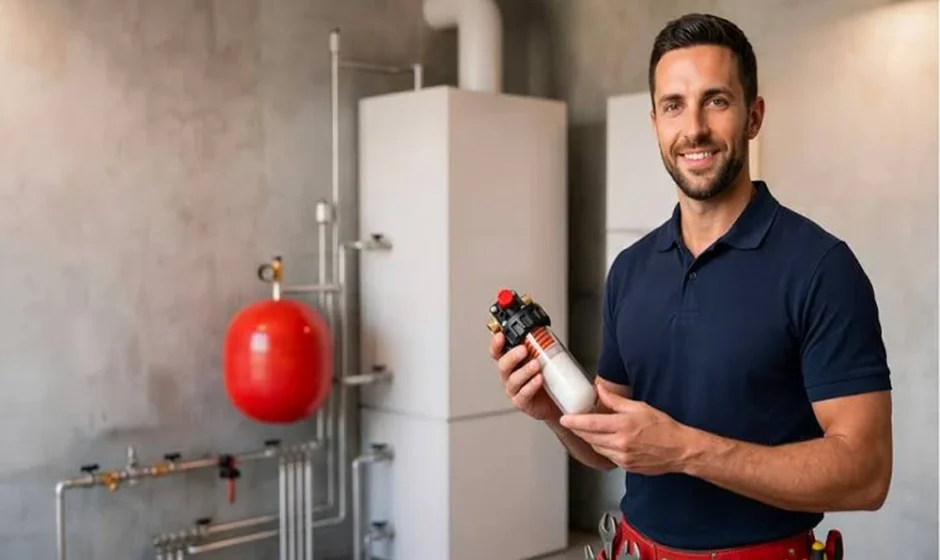

Proper home heating is essential for maintaining optimal comfort during the colder months. A well-functioning heating system not only keeps your home warm but also ensures energy efficiency. This guide offers a comprehensive overview of how to keep your home heating system reliable and effective throughout the year.
Establishing a consistent heating schedule is vital for every household. This ensures that your system operates at its best, providing maximum comfort when it is needed most. Regular attention to your boiler and other components can prevent unexpected breakdowns, saving you money on energy bills.
In this guide, we will delve into the critical aspects of your home heating, including the importance of air circulation and heat distribution. By following these expert tips, you can ensure your system works efficiently, creating a warm and safe environment for your family.
Key Takeaways
- Regular maintenance ensures your heating system remains efficient.
- A consistent heating schedule enhances comfort during winter.
- Preventive care can save money on energy costs.
- Understanding system components improves overall performance.
- Timely services protect your investment in home comfort.
Introduction to Heating System Maintenance
Ensuring your home remains warm and inviting during winter is crucial for comfort. Regular attention to your heating system can significantly enhance its efficiency and longevity. Neglecting maintenance can lead to various issues, including higher energy bills and uncomfortable cold spots.
A typical heating setup includes components such as boilers, radiators, and pipes. Each of these parts plays a vital role in maintaining a comfortable environment. Therefore, understanding their function is essential for effective upkeep.
Understanding the Importance of Regular Maintenance
Regular checks can prevent serious problems like leaks and noisy pipes. Experts recommend professional service at least once a year to ensure everything operates smoothly. This proactive approach not only saves money but also extends the lifespan of your system.
Key Components of Home Heating Systems
| Component | Function | Maintenance Tips |
|---|---|---|
| Boiler | Heats water for radiators | Check pressure and bleed regularly |
| Radiators | Distributes heat throughout the home | Keep them clean and ensure no blockages |
| Pipes | Transport hot water | Inspect for leaks and insulation |
By understanding these components and their maintenance needs, homeowners can ensure their heating systems function efficiently throughout the year.
Central Heating System Maintenance Best Practices
To enjoy a snug atmosphere during colder months, it is crucial to ensure your heating devices are in top condition. Regular upkeep is not just about comfort; it also prevents significant issues down the line.
Here are some essential tasks to consider:
- Routine checks: These are vital for spotting early wear on components, helping to avoid costly repairs.
- Professional inspections: A qualified technician can ensure safety by checking for carbon monoxide leaks.
- Boiler and furnace care: Regular servicing keeps your heating system running efficiently, saving you money on energy bills.
- Maintenance schedule: Adhering to a strict timetable prepares your system for winter, reducing the risk of breakdowns.
- Area cleanliness: Keeping the space around your boiler free from dust and clutter allows for proper ventilation.
“A serviced boiler can run up to 10-15% more efficiently.”
By implementing these practices, homeowners can ensure their heating systems operate smoothly, providing comfort and efficiency throughout the winter months.
Comprehensive Guide to Boiler and Furnace Upkeep
A well-functioning heating setup is key to creating a warm and inviting home during chilly months. Proper care of both boilers and furnaces is essential for maintaining comfort and efficiency.
For boilers, it is important to regularly check the pressure gauge. A reading between 1.0 and 1.5 bar indicates that the system is functioning well. If the pressure drops below this range, it requires immediate attention.
Furnaces, on the other hand, heat air and use ductwork to distribute it throughout the home. Regular inspections by a trained technician can help identify dust and debris in the burner area, which is crucial for preventing fire hazards.
In homes with older units, especially those over ten years old, replacement may be necessary. This proactive approach can save homeowners from costly repairs in the long run.
“Regular boiler maintenance is critical because boilers that are not properly maintained can stop working at peak efficiency.”
Fuel Line, Ventilation and Radiator Maintenance
A comfortable home during chilly months relies on the proper functioning of your heating equipment. To achieve this, regular attention to fuel lines, ventilation systems, and radiators is essential.
Ensuring safe fuel delivery is crucial for the efficiency of your heating setup. Trained heating specialists should inspect the entire fuel delivery line for any signs of rust, leaks, or improper assembly. This guarantees that your boiler receives fuel safely and efficiently.
Ensuring Safe Fuel Delivery
- Regular inspections help prevent fuel leaks that can lead to safety hazards.
- Maintaining the fuel line ensures your boiler operates efficiently.
Maintaining Efficient Ventilation Systems
Proper ventilation is vital for older non-condensing boiler models. It ensures they operate safely and do not pose a risk to the occupants of the house. Clogged ventilation systems for furnaces can trap warm air inside, forcing the unit to overcompensate and waste energy throughout the home.
Optimising Radiator Performance
Bleeding your radiators is a simple yet effective maintenance task. This process removes trapped air, restoring full heat output and ensuring your home stays warm. If you notice cold spots on your radiators, it may indicate that the system water is contaminated with sludge, requiring a chemical flush.
Additionally, ensuring that your radiator valves are not leaking is essential. This prevents damage to your floors and walls, maintaining the integrity of your home.
Seasonal Maintenance Tips and Preparation
Maintaining a comfortable home during the winter months requires diligent preparation. Homeowners should take proactive steps to ensure their heating systems are ready for the cold season.
During the warmer summer months, it is advisable to switch on your heating for 10-15 minutes. This simple act helps keep pumps and valves moving, preventing them from seizing up.
Preparing Your System for Winter
As winter approaches, checking for freezing risks in outdoor pipework is crucial. Pipes exposed to extreme cold can burst, leading to costly repairs.
- Review your heating schedules seasonally to optimise comfort and minimise energy usage.
- At the start of the heating season, inspect radiator valves for stiffness and ensure your thermostat communicates correctly with the boiler.
- Seasonal checks are a sound investment, helping you avoid expensive repairs during winter.
Summer Checks to Improve Efficiency
Performing these simple checks every year ensures your home remains a comfortable refuge, regardless of the weather outside. A little preparation goes a long way in maintaining efficiency and comfort.
“An ounce of prevention is worth a pound of cure.”
Home Systems and Energy Efficiency
To ensure a warm and energy-efficient home, regular care of your heating setup is essential. This proactive approach not only enhances comfort but also significantly reduces energy bills.
Regular service of your heating system can improve efficiency by ensuring that your boiler and furnace operate at their maximum potential. For instance, high-efficiency models can achieve an Annual Fuel Utilization Efficiency (AFUE) rating between 90 and 98 percent, while older units typically range from 56 to 70 percent.
How Regular Service Increases Efficiency
Maintaining a clean water supply can boost system efficiency by up to 15%. This reduces strain on your boiler, saving energy and prolonging its lifespan.
Tips for Lowering Heating Bills
- Install modern, high-efficiency heating systems to offset utility costs.
- Keep ventilation and ductwork clear to prevent unnecessary strain on your system.
- Utilise magnetic system filters, cleaning them annually during service.
Innovative Energy-Saving Solutions
Implementing innovative solutions can further enhance efficiency. For example, using smart thermostats allows for better control over heating schedules, leading to significant energy savings.
Insights from Heating Experts
Understanding how to care for your heating setup is vital for ensuring lasting comfort. Experts in the field highlight that consistent maintenance is the best way to prolong the life of your heating devices. Abercorn Heating Ltd provides valuable insights into how to achieve this.
According to Abercorn Heating, a regular maintenance routine is one of the soundest investments you can make. John, a Research Specialist with nine years of experience, emphasises that data-driven maintenance is key to demystifying home heating.
Expert Advice on System Longevity
- Abercorn Heating Ltd recommends regular check-ups to keep your heating system in top shape.
- Homes with a clean, well-maintained setup experience fewer breakdowns and better comfort levels.
- Ignoring early warning signs, like noisy pipes, can lead to bigger issues down the line.
Case Studies in Home Heating Care
Expert case studies show that proactive care leads to improved efficiency and reduced energy costs. By following industry leaders’ practices, homeowners can ensure their heating systems remain reliable sources of warmth.
Recommended Practices by Abercorn Heating Ltd
Abercorn Heating advocates for regular professional service to enhance system longevity. This approach not only boosts efficiency but also helps maintain comfort throughout the colder months.
Professional Service and Annual Inspections
Regular professional service is essential for ensuring your heating setup operates safely and efficiently. Homeowners should schedule annual inspections to keep their systems in top condition. These checks are crucial for identifying potential issues before they escalate into costly repairs.
When to call a heating technician? It’s important to reach out if you notice unusual signs, such as a yellow or orange flame on your boiler. This could indicate a serious safety issue that requires immediate attention.
Benefits of Annual System Inspections by Abercorn Heating
- Annual inspections by Abercorn Heating Ltd ensure that your boiler and heating system meet all safety standards and operate at peak performance.
- Choosing Abercorn Heating for your annual service provides the expertise of technicians dedicated to keeping your home warm.
- A professional service must be conducted at least once a year by a Gas Safe registered engineer to ensure combustion safety and prevent carbon monoxide leaks.
- Landlords in the UK are legally obligated to obtain a Gas Safety Certificate every 12 months to comply with safety regulations for their heating systems.
- Annual inspections are the most effective way to identify early component wear and ensure that your heating system remains reliable throughout the winter months.
Conclusion
Maintaining your heating system is a vital task that ensures your home remains a comfortable and safe environment for your family throughout the year. By following this comprehensive guide, you can implement a maintenance schedule that improves the efficiency of your boiler and reduces your energy bills.
Remember that professional service is the best way to protect your investment and prevent unexpected breakdowns during the coldest winter months. Consistent care of your radiators, ventilation, and pipework will significantly extend the lifespan of your entire heating setup.
We encourage you to contact a qualified technician to schedule your annual inspection and ensure your home heating system is in top condition. Taking these proactive steps today will provide you with peace of mind and ensure your house stays warm for many winters to come.