

The Case for Planned Outdoor Lighting Systems
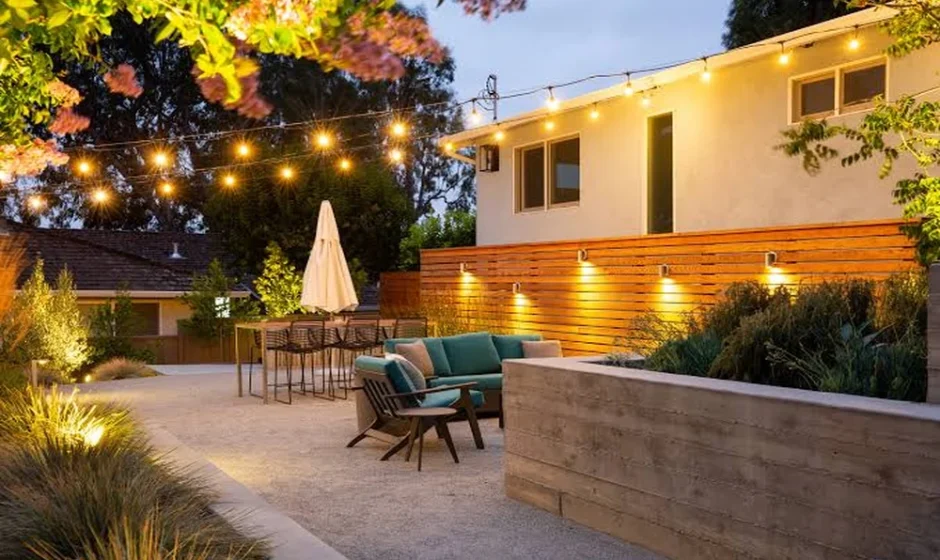
Outdoor lighting assembled fixture by fixture – bought as needs arise, placed where it seems convenient – typically produces an incoherent result. Different finishes, inconsistent mounting heights, random placement relative to what is actually worth illuminating, and power sources that were not planned for the eventual fixture count are the hallmarks of accumulated rather than planned outdoor lighting.
A planned outdoor lighting system – even one that is installed incrementally over several years – starts with a drawing of the property showing what is worth illuminating, where power is available, and what fixture types are appropriate for each application. This plan provides a framework that makes each addition purposeful rather than opportunistic.
Outdoor lighting systems that work well through all seasons account for seasonal changes in what is visible and what needs illumination. A system designed only for summer conditions may be inadequate when deciduous trees lose their leaves and the screening they provide, and may over-illuminate areas that benefit from the screening when it is present.
Low-Voltage and Line-Voltage Systems
Low-voltage (12V) outdoor lighting systems are the most common approach for landscape and pathway applications. A transformer that connects to a standard outdoor outlet steps down the line voltage to 12V, which runs through buried cable to the individual fixtures. The 12V system is safer for DIY installation – touching the wire with the power on does not create the same shock risk as line voltage – and allows flexibility in moving and adding fixtures as the landscape develops.
Line-voltage systems – operating at 120V – are necessary for high-output security lighting, most hardwired entry and garage fixtures, and any fixture that needs to deliver sustained high illumination. Line-voltage outdoor fixtures require the same installation care as indoor electrical work and typically require a licensed electrician for any work beyond replacing an existing fixture at an existing location.
Solar fixtures do not require connection to either system – they operate independently and can be placed wherever sun exposure is adequate. The independence advantage makes solar fixtures useful for remote locations, fences, and areas where running wire would be difficult. Their performance limitations – reduced output in winter, dependence on daily sun exposure – make them supplements to hardwired systems rather than replacements.
Energy Star ratings apply to both low-voltage and line-voltage outdoor fixtures, with specific certification criteria for the outdoor-rated components used in each system type.
Seasonal Performance and Year-Round Planning
The view from inside the home at night – the landscape visible through windows during the hours when the home is most used – is an outdoor lighting consideration that planning for exterior appearance alone misses. A well-lit garden visible through living room windows adds to the interior experience significantly; poorly designed landscape lighting at positions visible from the primary windows creates intrusive glare rather than pleasant views.
Seasonal timer adjustment keeps the outdoor lighting system operating appropriately through the year without requiring manual adjustment. Most outdoor lighting timers allow scheduling based on sunset time, which shifts automatically through the seasons; setting the system to activate at sunset and turn off at a fixed late-night time maintains appropriate operating hours year-round without requiring attention.