
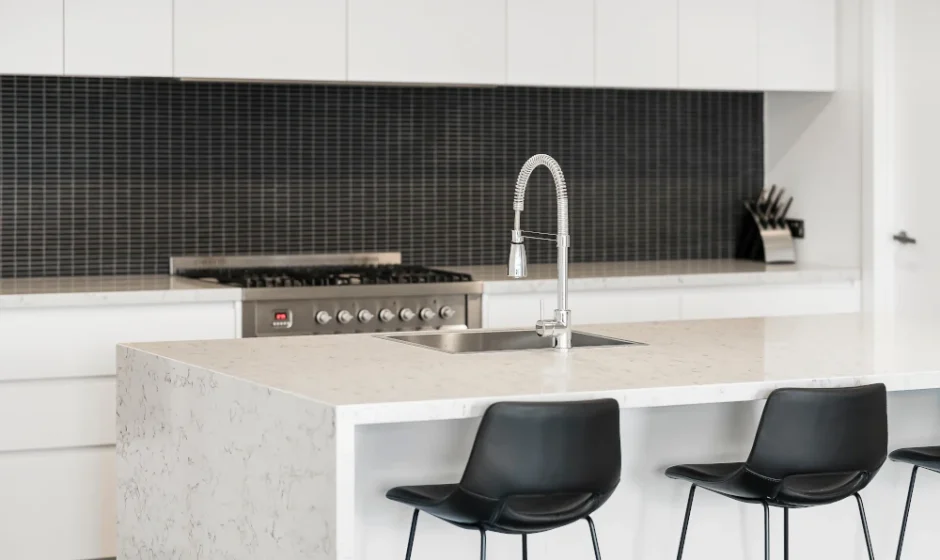

Choosing the right countertop can completely transform the way your kitchen looks and functions. Whether you’re renovating an older home or designing your dream kitchen from scratch, selecting the right surface is one of the most important decisions you’ll make. A dekton counter has become a popular choice among homeowners because it combines exceptional durability, sophisticated design, and minimal maintenance.
But how do you know if it’s the right option for your home?
Instead of focusing only on colors and patterns, it’s helpful to approach the decision step by step. This guide will walk you through the process so you can confidently choose a countertop that matches your lifestyle, budget, and long-term remodeling goals.
Step 1: Define How You Use Your Kitchen
Before looking at countertop colors, ask yourself one simple question:
How does your family use the kitchen every day?
Some homeowners cook multiple meals every day. Others use the kitchen primarily for entertaining guests. Families with children often need surfaces that resist spills, scratches, and heavy daily use.
If your kitchen is constantly busy, durability should be one of your highest priorities. Dekton’s ultra-compact structure makes it one of the most resilient countertop materials available today.
The better you understand your daily routine, the easier it becomes to select the right countertop.
Step 2: Consider Long-Term Performance
A countertop isn’t something you replace every few years.
Most homeowners expect it to last decades while maintaining its appearance and functionality.
A quality Dekton counter offers several long-term benefits:
- Exceptional scratch resistance
- Excellent heat resistance
- Low water absorption
- Superior stain protection
- UV resistance for indoor and outdoor use
These characteristics help reduce maintenance while keeping your kitchen looking beautiful over time.
Step 3: Match the Countertop to Your Design Style
Every kitchen has its own personality.
Modern homes often feature clean lines, waterfall islands, and minimalist finishes. Traditional kitchens may include warm cabinetry and classic details. Transitional designs combine both styles.
Today’s Dekton kitchen counter collections are available in finishes inspired by natural marble, concrete, limestone, slate, and wood. Whether you’re creating a sleek contemporary space or a timeless family kitchen, there’s a design that complements your vision.
When choosing a finish, compare countertop samples with:
- Cabinet doors
- Flooring
- Backsplash tile
- Wall paint
- Lighting fixtures
- Appliance finishes
Seeing these materials together often makes the final decision much easier.
Step 4: Think Beyond Appearance
It’s easy to choose a countertop because it looks attractive.
However, appearance is only one part of the equation.
Ask yourself:
- Will it handle everyday cooking?
- Is it easy to clean?
- Will it require ongoing maintenance?
- Can it withstand accidental spills?
- How will it perform after ten years?
Dekton excels because it offers beauty without demanding constant upkeep.
Unlike many natural stones, it doesn’t require periodic sealing, making it an attractive choice for busy households.
Step 5: Plan for Future Projects
Many homeowners renovate in stages.
Perhaps you’re replacing countertops this year but planning new cabinetry or an outdoor kitchen later.
One advantage of Dekton is its versatility.
Because it’s resistant to UV rays, moisture, and temperature fluctuations, the same material can often be used for:
- Kitchen islands
- Bathroom vanities
- Outdoor kitchens
- Fireplace surrounds
- Laundry rooms
- Bar areas
Planning with future renovations in mind creates greater design consistency throughout your home.
Step 6: Work With Experienced Professionals
Even the highest-quality material depends on proper installation.
Dekton is an ultra-compact surface that requires specialized fabrication equipment and experienced installers. Precision measurements, accurate cuts, and proper support all contribute to a successful installation.
Experienced remodeling professionals also help homeowners avoid common mistakes, such as poor seam placement or selecting an edge profile that doesn’t complement the overall kitchen design.
Professional installation protects both the appearance and longevity of your investment.
Step 7: Compare Value Instead of Price
One of the biggest mistakes homeowners make is comparing countertops based only on initial cost.
Instead, think about total ownership costs.
A durable countertop may cost more upfront but require fewer repairs, less maintenance, and provide greater satisfaction over many years.
When evaluating countertop options, consider:
- Expected lifespan
- Maintenance requirements
- Resistance to damage
- Impact on resale value
- Daily convenience
Looking beyond the purchase price often leads to smarter remodeling decisions.
Step 8: Find Inspiration Before You Decide
Before making your final selection, spend time reviewing completed remodeling projects.
Professional portfolios and successful california remodels can help you understand how countertop materials interact with cabinetry, lighting, flooring, and architectural details.
Pay attention to kitchens with layouts similar to your own.
Notice how countertop color influences the overall atmosphere.
Observe how waterfall islands, backsplashes, and cabinetry work together to create a cohesive design.
Inspiration from real projects often provides greater confidence than viewing individual countertop slabs alone.
Final Thoughts
Choosing the perfect dekton counter isn’t simply about selecting the most beautiful slab in the showroom. It’s about finding a surface that fits the way you live, supports your daily routine, and complements your home’s design for years to come.
By following a step-by-step approach-understanding your lifestyle, evaluating durability, coordinating finishes, planning ahead, and working with experienced professionals-you’ll be far more likely to create a kitchen that’s both functional and visually stunning.
A thoughtful decision today can reward you with decades of beauty, performance, and everyday enjoyment.