

Selecting the right early years setting is one of the first major decisions a family makes. Many parents across Britain find themselves weighing up two distinct paths for their little ones.
These early experiences, from birth to age six, are foundational. They play a crucial role in shaping a young person’s future academic success and social skills.
This guide aims to shed light on the core philosophies behind each method. It will help families understand the key distinctions to make a confident, informed choice for their child’s unique journey.
Key Takeaways
- The early years are a critical period for a child’s cognitive and social development.
- Different educational approaches offer unique environments for learning and growth.
- A child’s individual personality and learning style should guide the selection process.
- Understanding the fundamental principles of each philosophy is essential for parents.
- This decision can have a lasting influence on a child’s future attitudes and achievements.
- Both settings aim to nurture children but do so through different structures and daily routines.
Exploring Montessori vs Traditional Nursery Education UK Models
The design of a classroom and the materials within it reveal much about its educational priorities. The fundamental difference between the two main frameworks lies in who directs the learning journey.
Child-led Learning versus Teacher-led Instruction
In one approach, inspired by Dr Maria Montessori, children choose their own activities based on interest. Adults act as observant guides, stepping in only to support. This nurtures intrinsic motivation.
In contrast, other settings often feature more teacher-led instruction. Educators plan structured lessons to meet set objectives. This provides clear guidance and routine for young learners.
Comparative Environments and Learning Materials
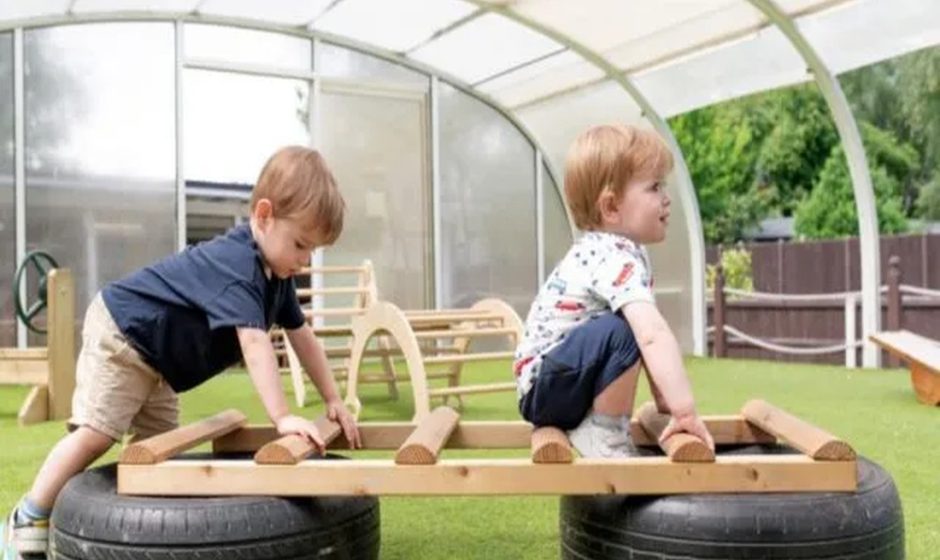
Classrooms following the Montessori method are carefully prepared. They feature specific, hands-on materials made from natural resources like wood. Each item has a developmental purpose.
These environments typically group children of mixed ages together. This allows for peer learning. Other nurseries offer a wider variety of toys and resources, often grouping children by the same age.
Developmental Outcomes and Socialisation
The child-led model strongly promotes independence, concentration, and problem-solving skills. Socialisation happens across different ages, fostering empathy and leadership.
More structured frameworks excel at preparing children for school routines. Social skills are often developed primarily within same-age peer groups. Both paths aim to build a strong foundation.
| Aspect | Child-Led Framework | Structured Framework |
|---|---|---|
| Core Philosophy | Follow the child’s individual interests and rhythm. | Blend child-led play with teacher-planned activities to meet milestones. |
| Role of the Adult | Observer and guide; facilitates self-directed learning. | Instructor and planner; delivers structured lessons. |
| Classroom Environment | Prepared with purposeful, sequential materials, often mixed-age. | Varied play resources and toys, typically same-age groupings. |
| Key Developmental Focus | Independence, concentration, intrinsic motivation. | School readiness, structured routine, socialisation with peers. |
Evaluating Educational Approaches: Montessori Insights and Traditional Benefits
Each educational philosophy offers distinct advantages, tailored to support different aspects of a child’s journey.
Structured Routines and Safety in Traditional Nurseries
Many early years settings provide a predictable schedule. Regular mealtimes, naps, and group activities create a comforting rhythm.
This structure helps little ones understand what comes next. It builds confidence and eases the transition to primary school. Teachers provide clear guidance within a secure environment.
Supervised, age-appropriate groupings in these nurseries prioritise physical safety. Children learn to follow rules, which supports their emotional security.
Encouraging Independence and Emotional Development
In contrast, the Montessori method champions self-directed learning. Children choose tasks that match their interests and pace.
Practical life exercises, like pouring or dressing, are common. Completing these independently builds fine motor skills and a strong sense of accomplishment.
This approach fosters intrinsic motivation and resilience. It allows a child to work through challenges, supporting deep emotional development. Such independence is a key predictor of long-term success.
Unique Insights from Eilmar Montessori and Eilmar Experience
Insights from established settings provide a valuable window into how theoretical concepts shape a child’s world. The experience atEilmar exemplifies this, blending core philosophy with daily practice to foster holistic growth.
Holistic Learning and Independent Exploration
At Eilmar Montessori, the focus extends beyond academics to nurture every aspect of a child. This includes cognitive, social, and emotional development.
Children choose activities based on their personal interests. This builds a strong sense of ownership over their learning journey. Independent exploration allows them to progress at their own pace.
It cultivates crucial skills like concentration and self-regulation. This approach respects each individual’s unique timeline, a key difference in this form of education.
Practical Applications in Early Years Development
The practical implementation atEilmar involves carefully curated materials and mixed-age groupings. These environments in a montessori nursery encourage natural mentorship.
Children engage in real tasks, like pouring or sorting. These activities develop fine motor skills and build confidence. The montessori method fosters intrinsic motivation and cooperation.
This prepares them for lifelong success, teaching problem-solving and resilience. Observing a child’s progress here focuses on individual growth, supporting their sense of self-worth.
Conclusion
Finding the ideal foundation for a young child’s growth involves more than just comparing philosophies. The best setting aligns with a family’s values and a child’s unique temperament.
Both the child-led and more structured approaches aim to nurture young minds. Each can provide excellent environments where success in early years learning is built on confidence and curiosity.
Parents are encouraged to visit local nurseries. Observe how children interact with the materials and resources. Speaking with educators builds a deeper understanding of the daily routine.
Trusting parental instinct is key. The right way forward respects a child’s developmental pace and age. Quality early years education fosters a genuine love for discovery that lasts a lifetime.