
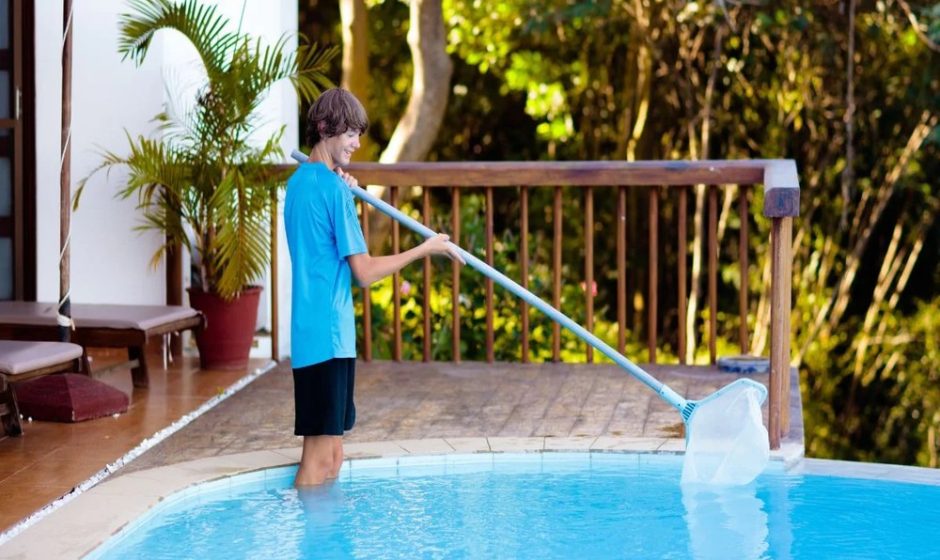

Essential Florida Pool Maintenance Guide for Homeowners
Living in the Sunshine State means enjoying a backyard oasis nearly every day of the year. The subtropical climate here is perfect for a refreshing dip, turning a pool into a central part of home life.
This constant use and exposure create unique demands. High temperatures can quickly turn clear water green. Afternoon storms wash in debris and pollen. Intense sun breaks down sanitizers faster.
Mastering these environmental factors is the key to effective care. A good routine protects your investment, keeps equipment running longer, and ensures a safe space for family and friends.
This manual provides clear, professional strategies. It covers everything from daily checks to seasonal adjustments, tailored for the local environment.
Key Takeaways
- Florida’s warm, humid weather allows for year-round pool enjoyment but requires consistent attention.
- Unique challenges include rapid algae growth, frequent organic debris, and faster chemical breakdown.
- Proper upkeep safeguards your financial investment and extends the life of your equipment.
- A tailored maintenance schedule is crucial for managing water chemistry and clarity.
- This guide offers actionable steps for both new and experienced pool owners in the region.
- Effective care reduces long-term repair costs and maintains your property’s value.
- The goal is a clean, safe, and inviting swimming environment for all to enjoy.
Understanding Essential Swimming Pool Maintenance Guide for Florida Homeowners
The subtropical environment presents distinct hurdles for keeping a residential water feature pristine. Owners here face conditions that demand a specialised approach.
Overview of Florida’s Unique Climate Challenges
High temperatures consistently above 80°F create an ideal breeding ground for algae. Combined with intense ultraviolet rays, these conditions break down common sanitizers rapidly.
Frequent afternoon downpours dilute carefully balanced water chemistry. They also wash organic debris into the pool, feeding bacteria and clouding the water. This near-daily cycle during summer means the chemistry never gets a break.
The year-round swimming season places constant biological pressure on the system. Unlike seasonal climates, equipment and chemical demands are perpetual.
The Importance of Routine Pool Maintenance
A consistent care schedule is the best defence against these environmental pressures. It prevects costly repairs and maintains the property’s value over time.
Regular attention ensures a safe, healthy environment for swimmers. It also extends equipment lifespan significantly, protecting a major home investment. Well-maintained systems can last for decades.
For local pool owners, understanding these factors is empowering. It allows them to anticipate problems and make informed decisions about their care routine.
Daily and Weekly Pool Cleaning Routines
Routine attention, split between daily and weekly tasks, prevents most common problems. These simple habits form the foundation of effective care. They keep water sparkling and equipment running smoothly.
Daily Tasks: Skimming and Visual Checks
A few minutes each day makes a huge difference. Skimming the surface removes leaves, bugs, and other floating debris before it sinks. This is especially vital here due to abundant trees and vegetation.
Emptying the skimmer basket is a crucial companion task. A full basket restricts water flow, straining the entire filtration system. A quick visual check of the water’s clarity and the equipment’s operation rounds out the daily routine.
These small efforts save significant time later. They stop stains and reduce the workload on chemicals and filters.
Weekly Tasks: Brushing, Vacuuming, and Basket Cleaning
Once a week, a more thorough cleaning is needed. Brushing all interior surfaces-walls, floors, and steps-dislodges algae spores. Pay extra attention to shaded corners where algae loves to start.
Vacuuming follows brushing to remove the settled debris and dirt. Whether using a manual or automatic cleaner, this step keeps the floor pristine. Also, clean the pump strainer basket to ensure unrestricted flow.
Establishing these weekly habits ensures consistency. It maintains water quality and protects your investment from avoidable damage.
Mastering Pool Chemical Balance and Water Care
The clarity and safety of your swimming environment hinge on precise chemical management. Understanding basic chemistry prevents common issues and protects your investment.
Key Chemical Levels: pH, Chlorine, and Alkalinity
Three primary factors dictate water quality. pH indicates acidity, ideally between 7.2 and 7.6. Levels outside this range cause irritation or scaling.
Chlorine sanitizes, fighting bacteria and algae. Maintain it at 1-3 ppm. Florida’s strong sun breaks it down quickly.
Total alkalinity (80-120 ppm) stabilizes pH. It acts as a buffer against sudden changes.
|
Parameter |
Ideal Range |
Primary Function |
|
pH Level |
7.2 – 7.6 |
Balances acidity, protects equipment |
|
Chlorine |
1 – 3 ppm |
Sanitizes, eliminates contaminants |
|
Total Alkalinity |
80 – 120 ppm |
Stabilizes pH, prevents fluctuation |
|
Calcium Hardness |
200 – 400 ppm |
Protects surfaces from etching |
Testing Methods and Adjustment Tips
Test water 1-2 times weekly. Use test strips or liquid kits for accuracy. Check after heavy use or storms.
Adjust chemicals in small doses. Retest after several hours. This prevents overshooting targets.
Shock the water every 1-2 weeks. Do it in the evening with the pump running. This removes organic waste.
Filter and Equipment Maintenance for Optimal Pool Performance
The mechanical heart of any backyard oasis is its filtration system and circulation equipment. Consistent care of these parts ensures clean water and prevents costly issues.
Cleaning and Backwashing the Filter
Monitor the filter pressure gauge weekly. A reading 8-10 psi above the normal baseline signals it’s time to clean. For sand and DE filters, this means backwashing to reverse water flow and flush out debris.
Cartridge filters need physical removal and hosing every few weeks. All types require periodic deep cleaning. A clogged filter cannot do its job, leading to cloudy water and higher chemical use.
Equipment Inspection and Conservation Tips
Run the pump 8 to 12 hours daily for proper circulation. In warm climates, longer run times are often needed. Empty skimmer and pump baskets weekly to maintain flow.
Point return jets in a circular, slightly downward pattern. This eliminates dead zones where debris collects. Monthly, inspect the pump for unusual noises or leaks.
Insights from Platinum Pools of Central Florida highlight proactive care. Small issues caught early prevent big repairs. Platinum Pools also recommends variable-speed pumps for energy savings.
Regular equipment checks protect your investment. Well-maintained equipment lasts years longer, ensuring your pool remains a refreshing retreat.
Seasonal Maintenance Tips and Strategies
Seasonal changes, from summer storms to spring pollen, directly impact upkeep tasks. While swimming is possible year-round, the required care shifts with the calendar. A smart schedule adapts to temperature, rainfall, and usage patterns.
Summer Challenges and Afternoon Storm Considerations
Peak season intensifies every demand. High heat accelerates algae growth. Heavy use and intense sun degrade chlorine rapidly.
Daily afternoon storms present a specific hurdle. They dump substantial rainfall, diluting chemical levels in minutes. This can drop sanitizer to unsafe amounts.
Test the water after heavy rain. Promptly rebalance to prevent opportunistic algae blooms. Many owners add shock treatment as a standard post-storm step.
Adapting Maintenance Routines for Fall and Winter
Milder fall temperatures allow for efficiency gains. You can often reduce pump time slightly, saving energy. Be diligent about removing falling leaves and debris.
Even in a mild winter, pool use continues. Cooler water slows biological activity, so chlorine demand may decrease. Stay vigilant with weekly checks.
Spring brings a different test: pollen. A yellow-green dust coats surfaces, requiring daily skimming. This seasonal maintenance adaptation keeps your pool efficient and inviting all year.
Adopting Automation and Professional Assistance in Pool Maintenance
Modern automation systems can transform how homeowners manage their aquatic retreat. Combining smart technology with expert support creates a balanced, efficient strategy.
This approach saves significant time and enhances long-term safety and enjoyment.
Innovative Automation Solutions for Efficient Care
Today’s tools handle many routine jobs. Automatic chemical feeders maintain perfect chemistry.
Salt chlorine generators produce sanitizer on demand. Robotic cleaners scrub and vacuum independently.
Smart monitors test water and send alerts. These systems offer a set-and-forget convenience.
They provide more stable water quality than manual methods. For pool owners, this means less weekly work.
Expert Guidance from Platinum Pools of Central Florida
Even with automation, professional care is sometimes needed. Call experts for persistent algae or unusual equipment noises.
Leaks, surface damage, and complex plumbing also require a pro. Platinum Pools provides valuable consultations for these situations.
Their team helps evaluate which upgrades offer the best return. recommends blending smart tech with periodic service.
This strategy protects your investment and ensures reliable circulation and filtration. It is a smart maintenance tip for long-term value.
Conclusion
With a solid maintenance plan, your pool can remain a crystal-clear oasis for decades. This transforms potential stress into a reliable source of joy and relaxation.
Success hinges more on consistency than perfection. Simple daily skimming and weekly cleaning form a powerful foundation. They prevent most common water quality issues before they start.
This diligent care protects your substantial financial investment. It also ensures a safe environment for every swim. Well-maintained pools deliver lasting enjoyment and enhance property value.
The knowledge from this guide empowers owners to manage their aquatic retreat with confidence. A little regular attention guarantees your backyard oasis is always ready for use.
FAQ
How does Florida’s weather affect my pool’s care?
The state’s intense sun, high humidity, and frequent rainstorms accelerate chemical depletion and promote algae growth. High temperatures increase chlorine demand, while afternoon downpours dilute chemical balance and introduce contaminants. This climate makes consistent testing and cleaning non-negotiable for clear, safe water.
What is the most important daily task for a pool owner?
Skimming the water’s surface to remove leaves and debris is critical. This simple daily habit prevents organic matter from sinking, where it decays and consumes sanitizer, leading to cloudy conditions. A quick visual check of the pump and filter system for proper operation is also advised.
How often should I test and adjust my water chemistry?
Testing should occur at least twice weekly. Key parameters include chlorine (1-3 ppm), pH (7.4-7.6), and total alkalinity (80-120 ppm). After heavy use or a storm, an extra test is wise. Use quality test kits or strips and adjust chemicals promptly to maintain a balanced, comfortable swimming environment.
Why is my filter pressure high, and what should I do?
High pressure indicates a clogged filter hindering proper circulation. For sand or D.E. models, a backwash cycle is needed. Cartridge filters require manual hosing off. Consult your equipment manual. Performing this when pressure rises 8-10 psi above normal optimizes your filtration system’s efficiency and protects the pump.
What special care is needed during the summer season?
Summer demands heightened vigilance. Test chlorine and pH more frequently due to heavy use and UV degradation. Run the pump longer, often 8-12 hours daily, for adequate circulation. After afternoon thunderstorms, re-test the water to address dilution and added contaminants that can quickly lead to issues.
When should I consider professional maintenance services?
Seeking expert help is beneficial for complex equipment repairs, opening/closing procedures, or if persistent water chemistry problems arise. Companies like Platinum Pools of Central Florida offer scheduled professional care, providing peace of mind and leveraging advanced diagnostic tools to prevent small problems from becoming costly repairs.

