
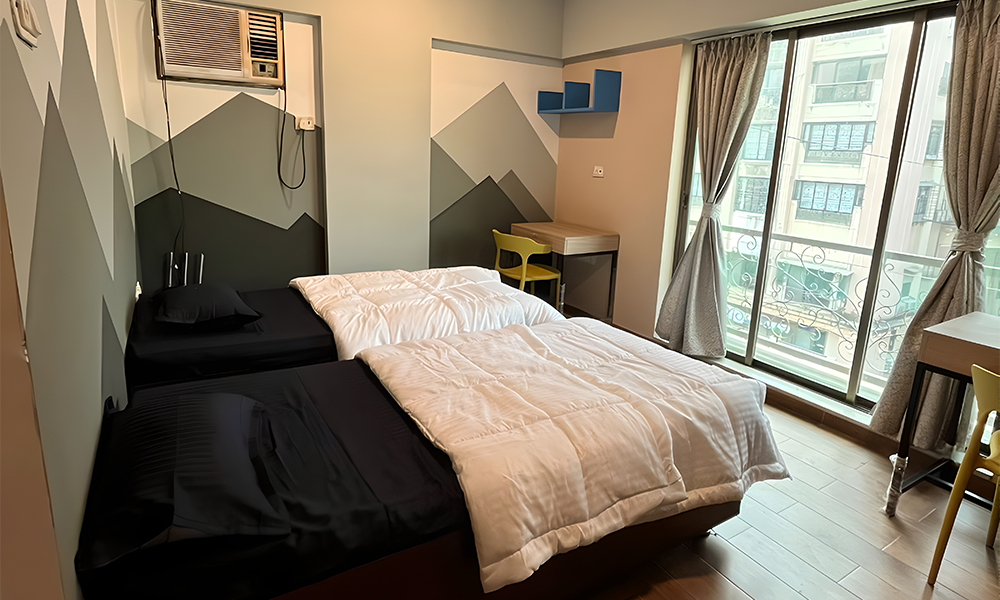

The traditional paying guest accommodation in Indian cities has undergone a quiet revolution. What used to mean cramped shared rooms, restrictive house rules, and basic amenities has evolved into something fundamentally different, particularly in cities like Pune, where young professionals now outnumber students in the rental market.
The modern PG in Pune today looks nothing like its predecessor from a decade ago. With 300,000+ IT professionals working in Hinjawadi, Wakad, and Magarpatta, the accommodation sector has adapted to serve a demographic that values independence, convenience, and community in equal measure.
From Shared Rooms to Managed Communities
The shift started around 2015 when the first wave of co-living operators entered tier-1 cities. Unlike traditional PG owners, often just individual property owners managing 5-10 tenants, these new players approached accommodation as a service, not just a rental transaction.
Key differences emerged quickly. Traditional PGs operated on minimal involvement: collect rent, enforce rules, and intervene only when problems arose. Managed spaces took the opposite approach: proactive maintenance, professional housekeeping, transparent pricing, and standardized quality across properties. The resident experience became the product, not just the room itself.
In Pune’s IT corridors, this model found immediate traction. Professionals relocating from other cities wanted predictability and convenience, not just affordability. They’d trade slightly higher rent for not having to negotiate with landlords, coordinate with electricians, or manage meal planning after 10-hour workdays.
The True Cost of Independence
Here’s where the math gets interesting. A PG in Pune in areas like Hinjawadi costs ₹10,000-15,000/month for a shared room. Add ₹7,000-8,000 for outside meals, ₹2,000-3,000 for transportation, and ₹1,000 for Wi-Fi and utilities. The actual monthly spend: ₹20,000-27,000.
Compare this to modern managed coliving spaces, starting at prices as low as ₹19,950, which bundle accommodation, meals, housekeeping, Wi-Fi, and other amenities into a single bill. The financial advantage matters less than the time saved. No grocery shopping, no cooking after work, no coordinating with roommates about cleaning schedules. For professionals, those recovered hours translate to real value.
The independence paradox resolves here: true independence isn’t doing everything yourself, it’s choosing what deserves your time and what doesn’t. Managed PG spaces enable this by handling operational friction while preserving personal freedom in living space usage, social interactions, and daily routines.
What Modern Professionals Actually Need
The amenities race in premium PG spaces tells you everything about how priorities have shifted. Ten years ago, PG advertisements highlighted “attached bathroom” and “TV in common area.” Today’s listings promote high-speed fiber internet, co-working desks, and community events.
This reflects hybrid work realities. A professional working from home three days a week needs reliable Wi-Fi more than a swimming pool, ergonomic seating more than a gym, and quiet zones more than recreation rooms. Proximity to office matters, but so does proximity to good cafes, gyms, and weekend entertainment, the full ecosystem of work-life balance.
The social dimension matters too. Traditional PGs enforced community through shared spaces and restrictions. Modern managed spaces are designed for it, common areas that facilitate interaction without forcing it, events that build connections without mandating attendance, and layouts that respect privacy while enabling friendships to form organically.
The New Definition
Independent living in India’s cities no longer means cooking your own meals, negotiating broker fees, or managing household logistics solo. It means choosing an accommodation model that maximizes your autonomy by minimizing operational hassles, whether that’s a traditional 1BHK, a managed PG, or something in between.
For Pune’s young professionals, particularly those in their first 2-3 years post-college, modern PG spaces split the difference between student life and full apartment responsibility. They offer adult independence without the administrative burden, community without compulsion, and flexibility without chaos. That’s not redefining independent living, it’s actually enabling it.