
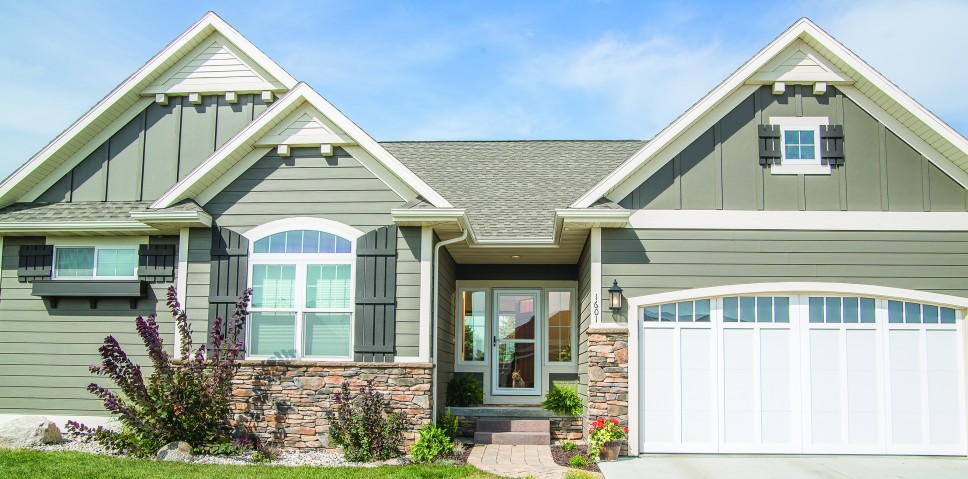

Your home’s siding does more than enhance curb appeal-it serves as a protective barrier against moisture, wind, temperature shifts, and long-term structural damage. In North Jersey, where homes experience freezing winters, humid summers, and strong seasonal storms, siding performance plays a critical role in preserving both comfort and property value.
If you’re considering siding replacement in Bergen County NJ or siding replacement in Essex County NJ, understanding material options, cost factors, and the installation process will help you make an informed decision.
Why Siding Replacement Matters
Over time, exterior siding naturally deteriorates. Exposure to UV rays, moisture, and temperature fluctuations can lead to cracks, warping, fading, or rot. When siding fails, your home becomes vulnerable to water intrusion, insulation loss, and structural damage.
Replacing worn materials with new siding on house surfaces improves:
- Energy efficiency
- Moisture resistance
- Structural protection
- Property value
- Exterior aesthetics
For many homeowners, investing in new siding on home exteriors also enhances resale appeal and reduces future maintenance needs.
Signs It’s Time to Replace Your Siding
Before diving into materials and pricing, it’s important to determine whether replacement is necessary.
Common warning signs include:
- Warped, cracked, or loose panels
- Mold or mildew growth
- Peeling interior paint or wallpaper
- Increased energy bills
- Visible rot or soft spots
- Faded or discolored surfaces
If multiple signs appear, repairs may only provide temporary relief. A full replacement often delivers better long-term results.
Popular Siding Materials in North Jersey
Choosing the right material is one of the most important steps in the process. Climate durability, maintenance requirements, and budget all play a role.
1. Vinyl Siding
Vinyl remains one of the most widely used siding materials due to affordability and low maintenance.
Benefits:
- Cost-effective
- Weather-resistant
- Minimal upkeep
- Wide range of colors
Vinyl performs well in North Jersey’s climate, though extreme temperature swings may cause expansion and contraction over time.
2. Fiber Cement Siding
Fiber cement is known for durability and resistance to moisture, insects, and fire.
Benefits:
- Long lifespan
- Strong resistance to weather
- Realistic wood appearance
- Low maintenance
Though slightly higher in replacing siding cost compared to vinyl, fiber cement often provides greater long-term value.
3. Engineered Wood Siding
Engineered wood combines natural aesthetics with improved moisture resistance.
Benefits:
- Attractive wood appearance
- More affordable than natural wood
- Treated for durability
It requires periodic maintenance but offers a warm, traditional look.
4. Composite and Other Modern Materials
Newer composite options offer enhanced resistance to moisture and impact. These materials may cost more upfront but often provide extended warranties and improved durability.
Understanding Replacing Siding Cost
The cost of siding replacement varies depending on several factors:
- Total square footage
- Material selection
- Removal of existing siding
- Structural repairs needed
- Labor and installation complexity
- Architectural details
Homes with intricate designs or multiple levels may require more labor, increasing overall cost.
While pricing differs by project, homeowners should view siding replacement as a long-term investment rather than a short-term expense. Higher-quality materials often reduce maintenance and repair costs over time.
What to Expect During the Installation Process
Understanding the process helps eliminate uncertainty.
Step 1: Initial Inspection and Estimate
A professional contractor evaluates the current condition of your siding and underlying structure. They assess moisture damage, insulation performance, and framing stability.
You’ll receive a detailed estimate outlining materials, labor, and timeline expectations.
Step 2: Material Selection
Once you choose your preferred siding type and color, materials are ordered. Contractors often provide samples to help visualize the finished look.
Step 3: Removal of Existing Siding
Old siding is carefully removed to expose the sheathing beneath. This stage allows contractors to inspect for hidden damage.
If structural repairs are needed, they are addressed before installation begins.
Step 4: Installation of Moisture Barrier
A weather-resistant barrier is installed to protect against water infiltration. Proper sealing around windows and doors ensures maximum protection.
Step 5: Installation of New Siding
Panels are installed according to manufacturer specifications. Attention to detail during this stage ensures durability and long-term performance.
Step 6: Final Inspection and Cleanup
The contractor performs a walkthrough to verify proper installation and address any remaining concerns. Debris is removed, and warranties are reviewed with the homeowner.
How North Jersey Weather Impacts Siding
Homes in Bergen and Essex counties face distinct environmental stressors:
- Freeze-thaw cycles in winter
- High humidity in summer
- Heavy rainfall
- Occasional strong winds
Selecting materials designed for these conditions improves longevity and reduces the likelihood of premature deterioration.
Homeowners considering siding replacement in Bergen County NJ or siding replacement in Essex County NJ should prioritize moisture resistance and insulation performance.
Energy Efficiency and Long-Term Savings
Replacing outdated siding often improves insulation efficiency, especially when combined with modern underlayment systems.
Benefits include:
- Lower heating and cooling costs
- Improved indoor comfort
- Reduced air infiltration
- Enhanced property value
Energy savings over time can offset initial installation costs.
Choosing the Right Contractor
The quality of installation matters just as much as the material itself.
Look for:
A skilled contractor ensures your new siding on house surfaces performs as intended for years to come.
Planning Your Project
Siding replacement is a major exterior upgrade that requires thoughtful planning. By understanding material options, budgeting realistically, and working with experienced professionals, homeowners can protect their investment and improve their home’s overall performance.
When properly installed, new siding on home exteriors not only transforms appearance but strengthens structural resilience against North Jersey’s demanding climate.